Genvizu

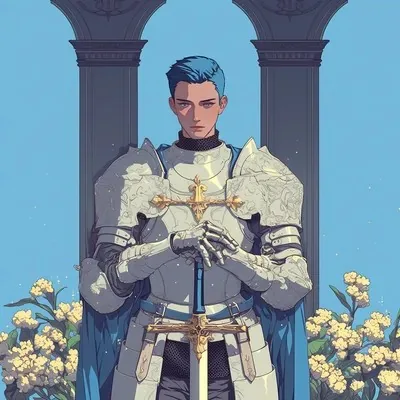
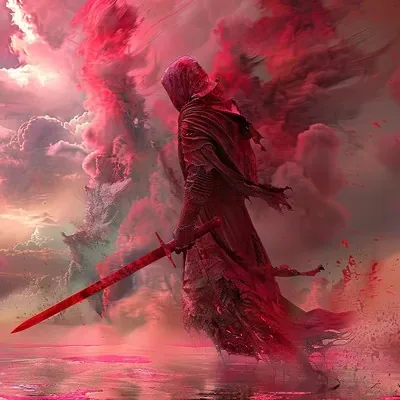
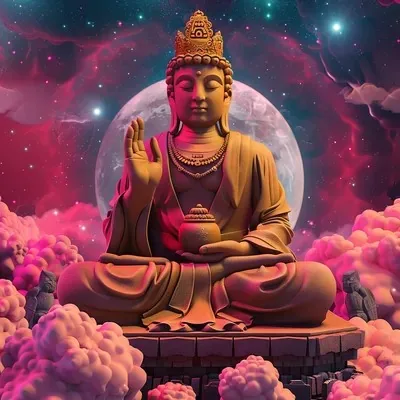
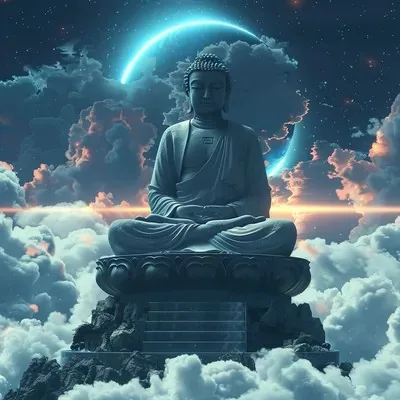
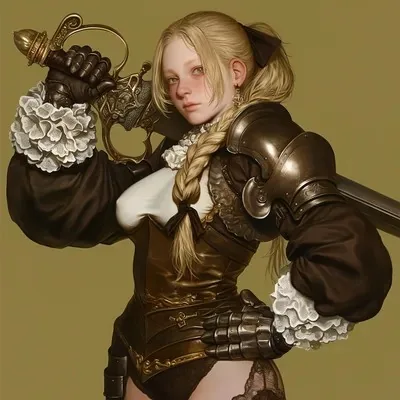
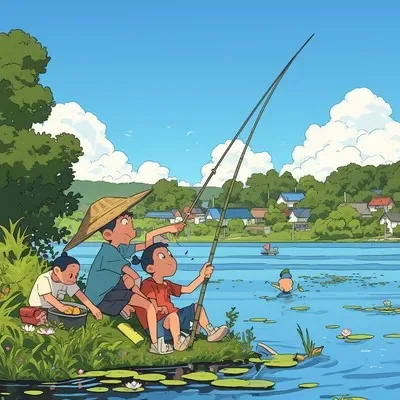
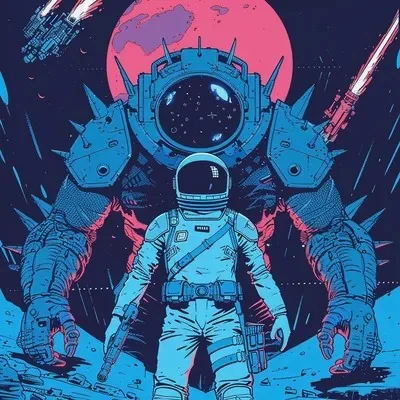
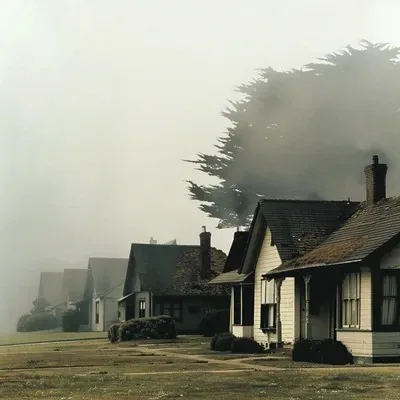
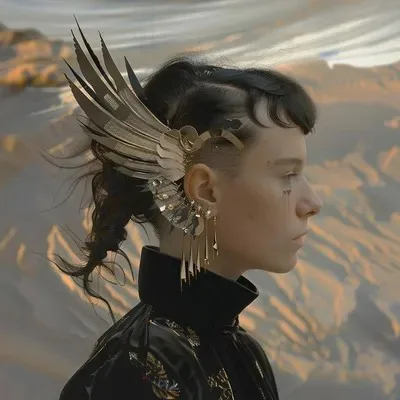
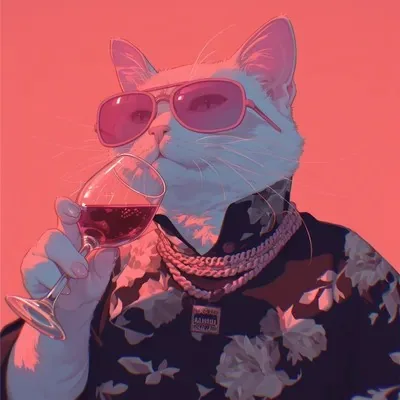
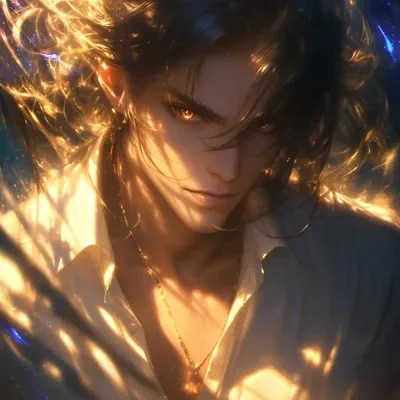
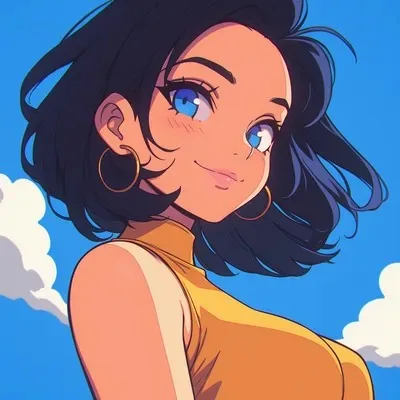
AI creations made with Midjourney 8.1

Midjourney

Midjourney 8.1 is the previous flagship Midjourney generation on Genvizu, still available beside 8.2, which became Midjourney's default on 24 July 2026. One run returns four images at 1K or 2K, there is no 4K tier, and a run accepts one reference image. Prompts must be written in English and are capped at 1,024 characters; --ar, --stylize, --chaos, --raw and --iw are read straight from the prompt text.

Verified on 2026-09-10

Start free · no credit card

Best for

  • Getting four comparable options from one prompt — every run returns four images from a single submission.
  • Art-directed stills that lean on Midjourney’s own default rendering: editorial covers, campaign keyframes, concept art, illustration series.
  • Keeping an existing 8.1 series consistent. Version is fixed by the model you pick, so an older set can be extended without drifting to the 8.2 look.
  • Iterating one variable at a time: --stylize (0–1000) sets how far the default aesthetic is applied, --chaos (0–100) sets how far the four results spread apart, and --raw reduces that default styling.

Not for

  • Work you have to clear for commercial use without checking rights. Midjourney output is commercially restricted by Midjourney’s own terms, so confirm your licence before publishing.
  • Long, exhaustive briefs. The budget is 1,024 characters and longer prompts are trimmed at 1,023 on a word boundary, so it is the tail that disappears.
  • Prompts you want to keep in Chinese. The Midjourney models on Genvizu require English input.
  • Multi-reference editing. One reference image is accepted per run, used either as a content reference or as a style reference, never both.
  • 4K delivery. The upstream high-definition flag is a boolean that maps to a native 2K output; there is no 4K tier.

Specifications and limits

FieldValue
ProviderMidjourney, version V8.1 (routed through Genvizu)
VersionV8.1; V8.2 is Midjourney’s default version since 24 July 2026 and lives on its own page
InputEnglish text prompt; optionally one reference image (content or style)
Output4 images per run
Resolutions1K / 2K (1K is the default; there is no 4K tier)
Aspect ratios1:1, 4:3, 3:2, 16:9, 3:4, 2:3, 9:16
Prompt languageEnglish required
Prompt limit1,024 characters; longer text is trimmed at 1,023 on a word boundary
Reference images1 per run
Parameters read from the prompt--ar, --stylize (0–1000), --chaos (0–100), --quality (1 or 4), --raw, --iw (0–3), --sv
Parameters kept in the prompt--sref and --sw style codes, deduplicated so the first occurrence wins
BillingPer run of four images; the 2K tier costs more than 1K (see the pricing page)
Commercial useRestricted by Midjourney’s own terms; confirm your rights before publishing
Plan requirementNone; available on every plan including Free
Failed runsRefunded automatically

Prompt examples

Editorial cover with a controlled series

Prompt

analog portrait of a cellist mid-performance, stage lit from a single side lamp,
dust in the beam, deep maroon curtain behind, shallow focus on the bow hand
--ar 3:4 --stylize 250 --chaos 0 --raw

Keep --chaos at 0 while you are still tuning the description: the four images stay close together, so each edit to the words is visible. Raise it only once the subject and light are settled.

Style carried across a set with a style code

Prompt

a corner bakery at first light, folding tables outside, crates of bread being carried in
--ar 16:9 --sref 178023917 --sw 250 --stylize 400

A style code in --sref stays in the prompt and is parsed by Midjourney itself, so it transfers a visual language between prompts. Write it once — a repeated --sref is stripped down to the first occurrence.

Concept art with a single content reference

Prompt

wind-worn desert observatory carved into red rock, brass instrument dome half open,
two figures on the stair for scale, late afternoon haze
--ar 3:2 --iw 1.5 --stylize 600

With one reference image uploaded, --iw sets how strongly it pulls, on a 0–3 scale: near 0 the reference is a hint, near 3 it dominates the composition. Starting near the middle of that range leaves room to move in either direction.

How it compares

Midjourney 8.2

Pick it for new work: same four images per run, same 1K / 2K tiers, same parameter surface, but it is the current Midjourney default generation since 24 July 2026.

GPT Image 2

Pick it when readable text must appear inside the picture, when the brief has to stay in Chinese, or when you need 4K. It returns one image per run rather than four.

Nano Banana 2

Pick it when the job starts from existing pictures: up to 14 reference images, prompts in any language, and a 4K tier. It also returns one image per run.

Examples from the gallery

Common failures and fixes

The end of a long prompt has no effect on the image.

Anything past 1,023 characters is trimmed before the run. Put the subject, framing and light first, and move mood adjectives to the end where losing them costs least.

A Chinese prompt returns something unrelated.

This model requires English. Translate the brief first — the built-in prompt tools will do it while leaving the trailing --flags untouched.

--hd or --v in the prompt appears to do nothing.

That is deliberate. Resolution comes from the panel so that billing and output always match, and the version comes from the model you selected. Both flags are stripped before the request.

A style code was pasted twice and the run failed or ignored one of them.

Repeated --sref and --sw are reduced to the first occurrence, matching Midjourney’s own first-wins rule. Keep one style code per prompt, written where you can see it.

An --ar value such as 2:1 has no effect.

Only 1:1, 4:3, 3:2, 16:9, 3:4, 2:3 and 9:16 are accepted. Anything else falls back to the ratio selected in the panel.

The four images are too similar to choose between.

Raise --chaos toward 20–40 for spread, or raise --stylize for a stronger interpretation. Changing both at once makes it hard to tell which one moved the result.

Frequently asked questions

How is Midjourney 8.1 billed on Genvizu?

Per run rather than per image: one run is billed once and returns four images at 1K or 2K, with the 2K tier costing more. The aspect ratio does not change it, and the current tiers are listed on the pricing page.

Midjourney 8.1 or 8.2 — which should I pick?

They take the same parameters, return four images per run and offer the same 1K / 2K tiers. 8.2 has been Midjourney’s default version since 24 July 2026, so use it for new work; 8.1 is there to extend a series that was already made with it.

Can I write Midjourney prompts in Chinese here?

No. The Midjourney models on Genvizu require English prompts. Translate first, then append the parameters.

Which parameters work in the prompt?

--ar, --stylize, --chaos, --quality, --raw, --iw and --sv are read from the prompt and sent as request fields. --sref and --sw style codes stay in the prompt for Midjourney to parse. --hd, --v and --profile are stripped.

Is there a 4K option?

No. The tiers are 1K and 2K; the upstream high-definition setting is a switch to native 2K, not a separate 4K tier.

Can I use the output commercially?

Midjourney output is commercially restricted by Midjourney’s own terms. Genvizu does not add a plan restriction, but you should confirm your rights before commercial publication.

Sources