Genvizu

AI Selfie Prompts and Profile Picture Examples

A selfie prompt asks for a picture that reads as self-shot: the subject close to the lens, an arm’s-length or mirror angle, and room light instead of a studio rig. The prompts collected on this page come from published work on Genvizu, so each one has already produced an image. Take one, swap the face reference, the outfit and the room, then run it again.

Verified on 2026-09-12

Start free · no credit card

Best for

  • Profile and avatar crops. Square 1:1 is the safe frame because most platforms mask it into a circle; Nano Banana 2 also offers 4:5 and 9:16, while GPT Image 2.5 offers 9:16 but not 4:5.
  • Turning a photo you own into a styled portrait: attach it as a reference image (up to 14 per run on Nano Banana 2, up to 16 in the GPT Image 2.5 image-to-image channel) and say which features must stay.
  • Multi-pose sheets — a 2x2 grid of expressions has to be described as one picture, because a run returns a single image.
  • Stylised avatars: painted, illustrated or grainy-film treatments, where an exact likeness is not the goal.
  • The candid phone-camera look, which comes from naming imperfections — visible pores, stray hairs, uneven window light — rather than from the word "realistic".

Not for

  • Passport, visa and ID photos. Those are specified by the issuing authority and have to be a photograph of the applicant.
  • Locking a real face. Reference images steer likeness; they do not reproduce it feature for feature, and two runs of the same prompt drift because the upstream request carries no seed field.
  • Photos of other people without their permission. Uploading a recognisable person as a reference needs their rights or consent, whatever the prompt says.
  • Studio headshots for a team page or a press kit — controlled lighting and a formal crop belong in the portrait category.

Specifications and limits

FieldValue
Typical inputsOne or more reference photos of the same face, the hairstyle and outfit, the room and light, the camera angle, the target ratio
Frames in use1:1 for avatars, 4:5 for feeds, 9:16 for stories and full-height mirror shots
Ratio availabilityNano Banana 2 covers 1:1, 4:5 and 9:16; GPT Image 2.5 covers 1:1 and 9:16 but has no 4:5
Reference imagesUp to 14 per run on Nano Banana 2; up to 16 in the GPT Image 2.5 image-to-image channel
Images per runOne on Nano Banana 2 and on GPT Image 2.5, so a four-pose grid must be composed as a single image; Midjourney 8.1 returns four separate images per run
Delivery size1K, 2K or 4K on Nano Banana 2 and GPT Image 2.5
Prompt languageAny language on Nano Banana 2 and GPT Image 2.5; Midjourney 8.1 requires English and caps the prompt at 1,024 characters
RepeatabilityNot guaranteed — there is no seed field upstream, so keep the outputs you want to reuse

Prompt examples

Indoor candid selfie, written from scratch

Prompt

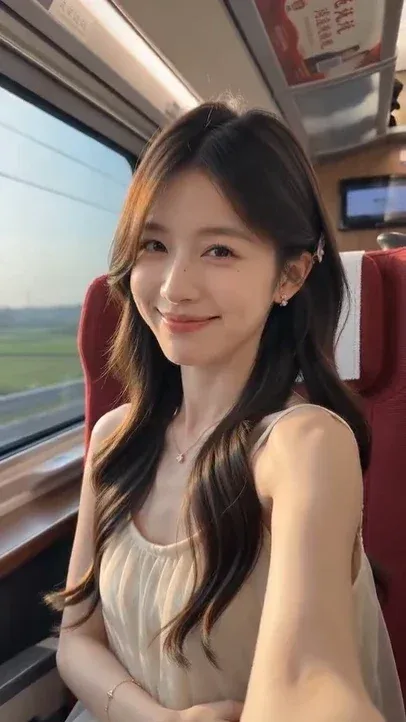
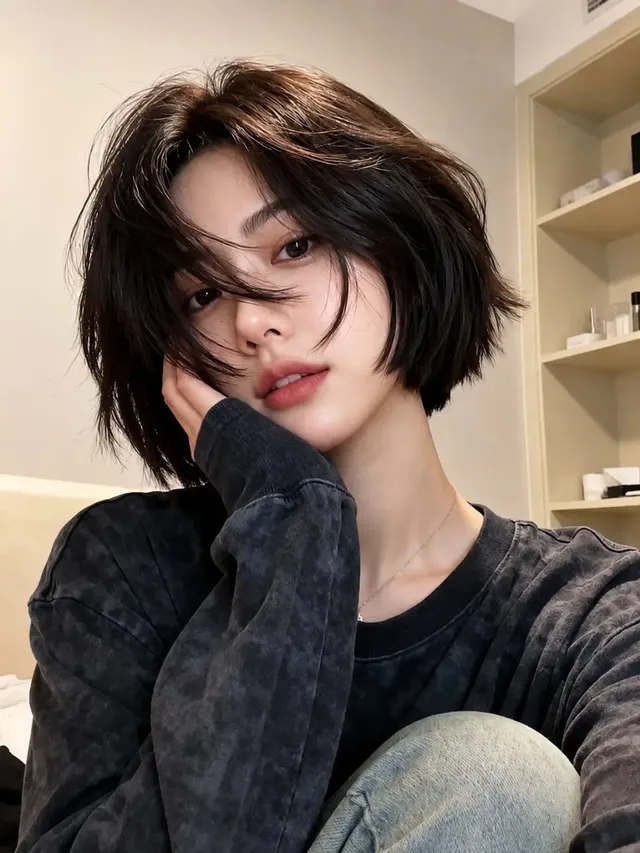
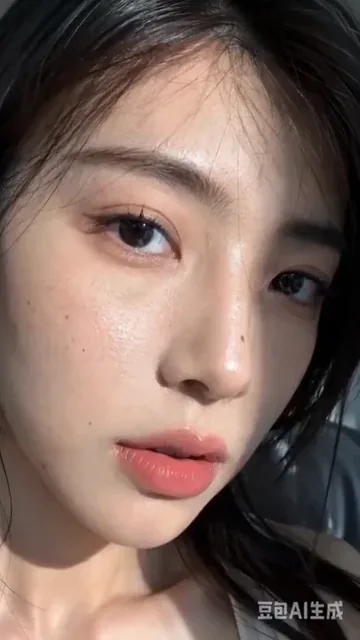
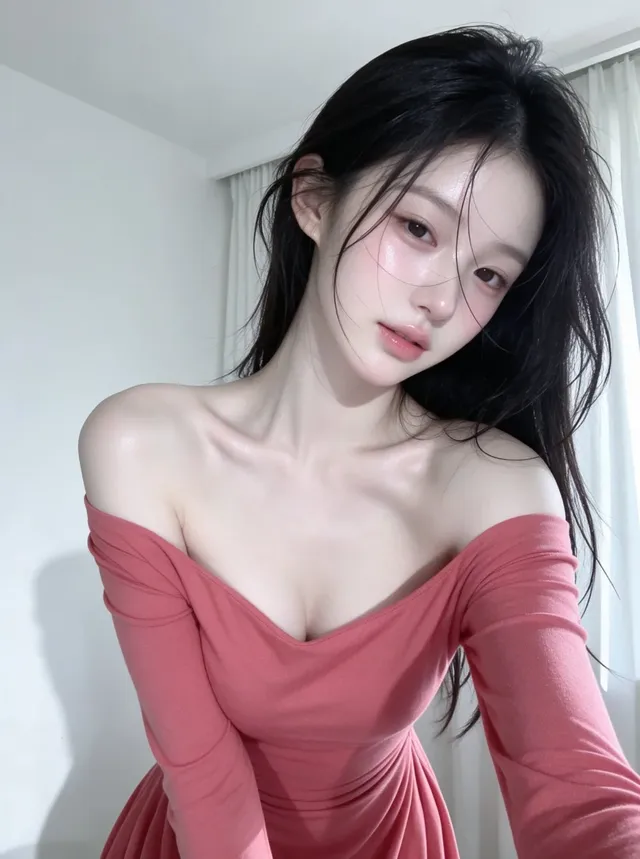
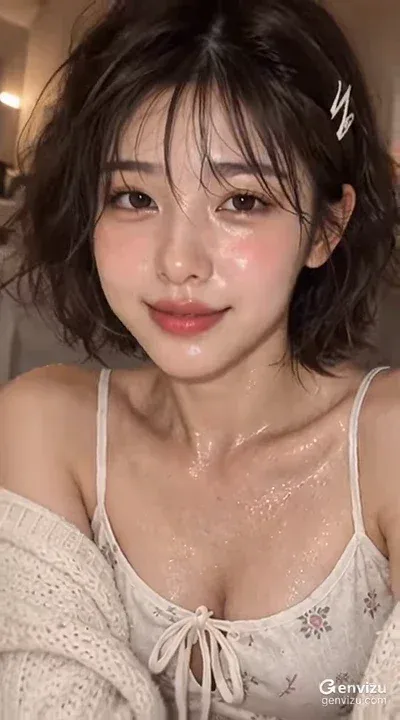
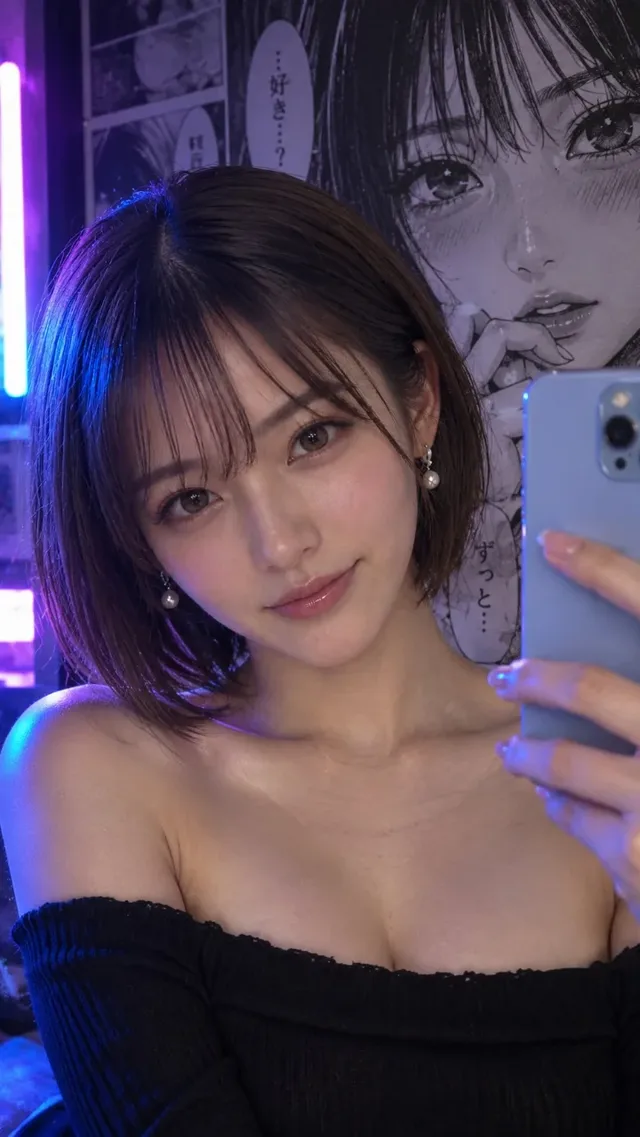
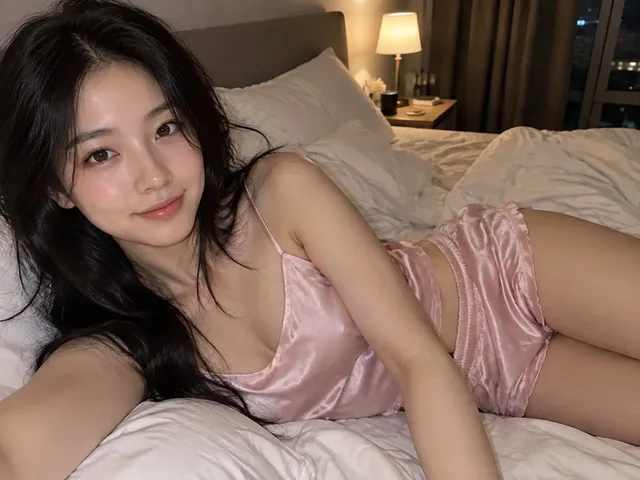
Ultra-photorealistic candid indoor selfie portrait of a beautiful young East Asian woman with fair porcelain skin and delicate facial features, short chin-length textured French bob haircut in deep dark brown with soft layers and messy volume, wispy bangs and loose strands naturally falling across her face partially covering one eye, thick natural eyebrows, almond-shaped dark brown eyes looking directly into the camera with a calm, dreamy expression, small straight nose, soft gradient pink lips, minimal Korean makeup with flawless skin, subtle blush and natural lashes.

No reference image here — the likeness is built entirely from stacked, checkable details: hair length, parting, brow thickness, eye shape, lip finish. That list doubles as the acceptance checklist, so you can tell whether a rerun drifted instead of arguing about whether it "feels right".

Four expressions in one frame, from a face reference

Prompt

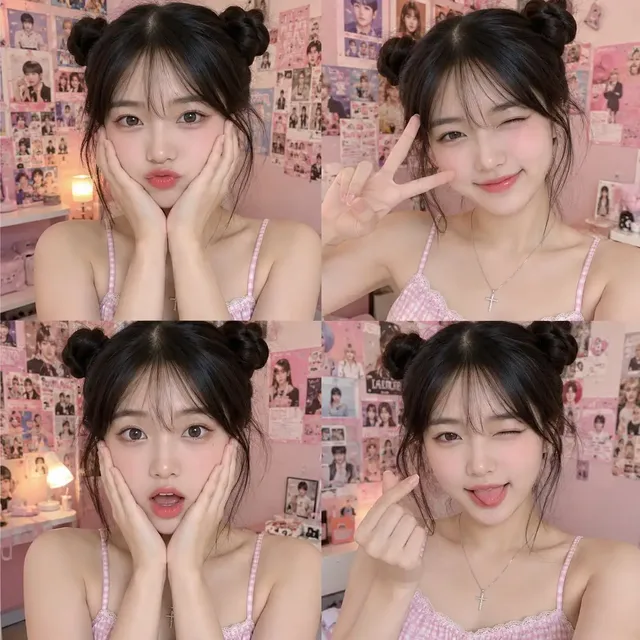
Ultra-realistic Korean/Japanese idol-style 2x2 selfie collage using the reference photo. Preserve the exact face, facial proportions, expression, and identity. No AI face or doll face. Black double space buns with airy bangs, natural nude makeup, rosy blush, pink lips.

Pink-and-white plaid spaghetti-strap top, silver cross necklace. Four expressions: (1) pout with hands on cheeks, (2) wink + peace sign, (3) surprised with hands on cheeks, (4) wink + tongue out + finger heart.

Cozy pink Korean-style bedroom with posters and magazine collages.

A run returns one image, so the grid is specified as one picture: tile count first, then what each numbered tile shows. "Preserve the exact face" plus "no doll face" do real work here — without them the model averages the reference into a generic idol face across all four tiles.

Stylised mirror selfie instead of a photo

Prompt

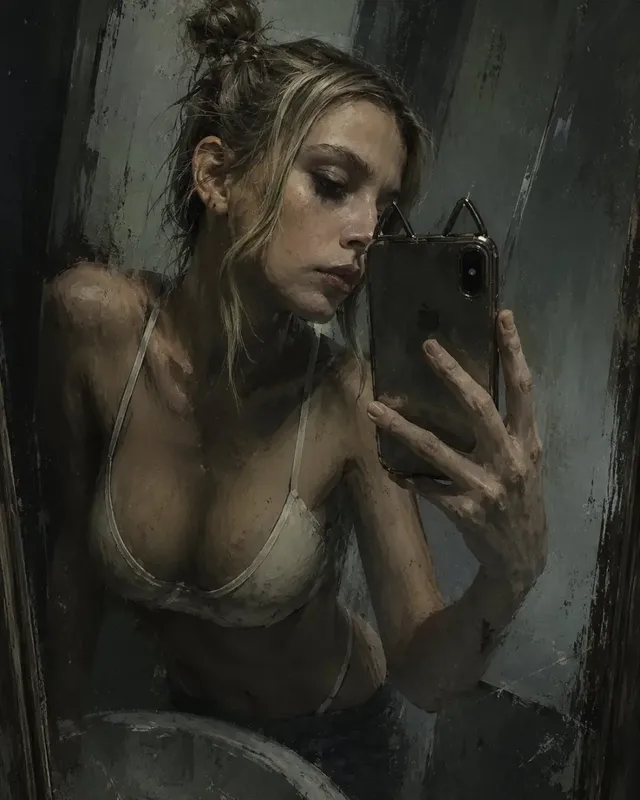
Digital illustration in a conceptual painting style of the attached androgynous, grunge-style model taking a selfie in front of a mirror. Gloomy and dramatic lighting. Desaturated color palette in grayish and greenish tones. Digital painting texture with visible brushstrokes, film grain, and a dirty or worn mirror effect. High quality, melancholic atmosphere.

Short on purpose. When the output is an illustration, likeness stops being the acceptance criterion, so the prompt spends its words on medium, palette and surface — brushstrokes, grain, worn mirror — and lets the reference carry the pose and the silhouette.

How it compares

Nano Banana 2

The everyday choice for selfies built on references: up to 14 reference images per run, ten ratios including 1:1, 4:5 and 9:16, and a 4K tier for pictures that will be cropped afterwards.

GPT Image 2.5

Pick it for edits against a large reference set — the image-to-image channel takes up to 16 — or when words have to render inside the frame, such as a caption in a collage. Its twelve ratios include 1:1 and 9:16 but not 4:5.

Portrait

Go there when the brief is a headshot rather than a selfie: controlled studio light, a formal crop, and skin rendering as the acceptance criterion.

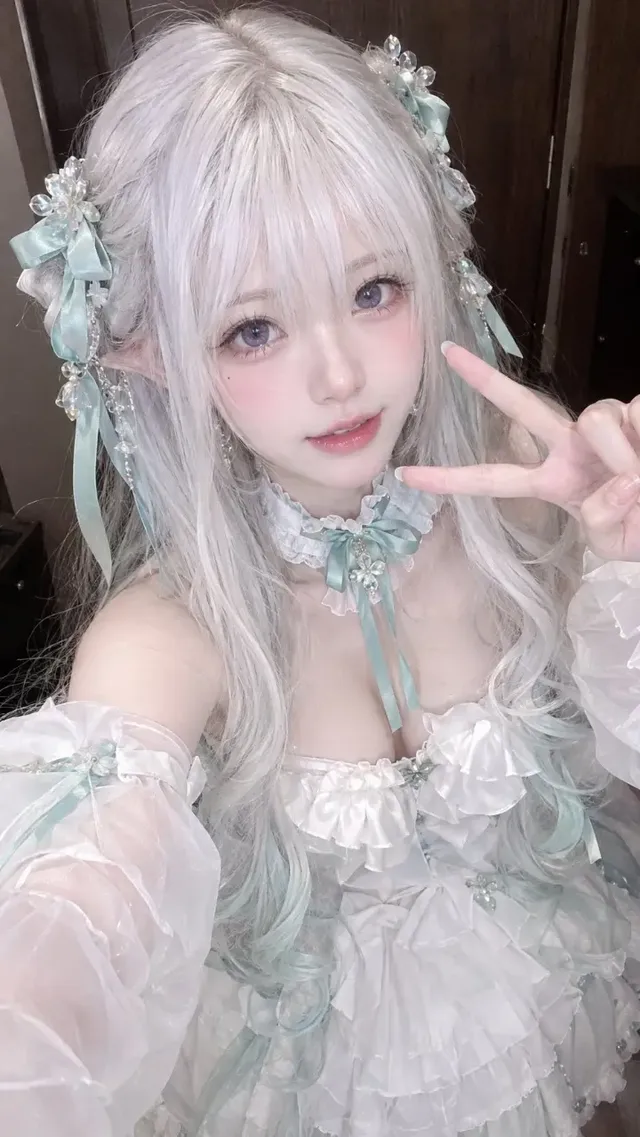
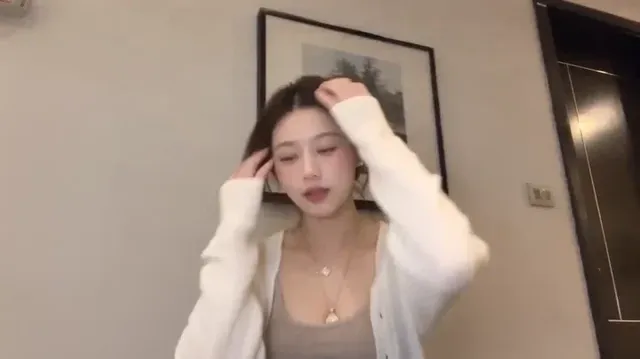
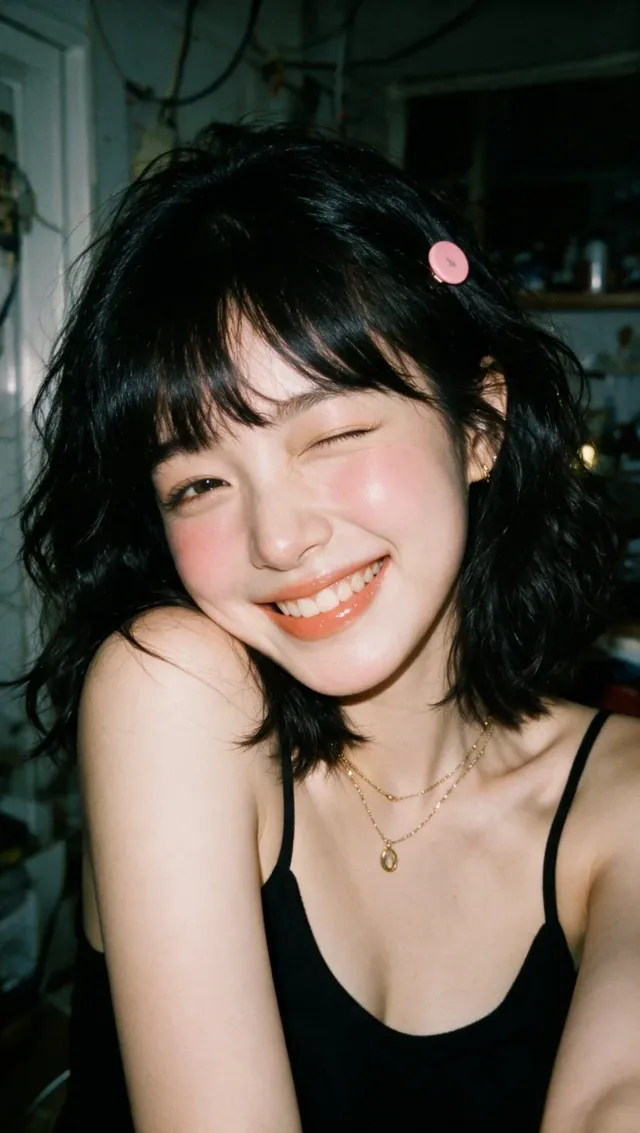
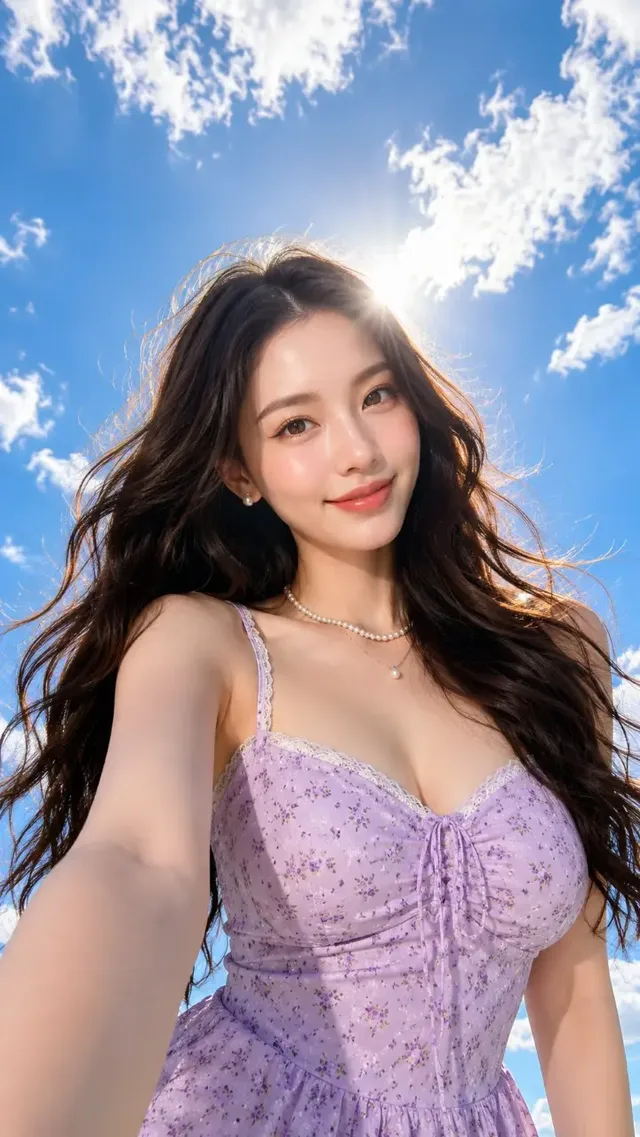
Examples from the gallery

Common failures and fixes

The face changes from image to image across a set.

Attach two or three references of the same person from different angles rather than one, and restate the fixed traits — hair length, brow shape, eye shape — in words. When references and text disagree, the text decides.

The hand holding the phone has too many fingers, or the arm bends the wrong way.

Describe the pose as anatomy: which hand holds the phone, where the elbow sits, what the mirror shows. Or crop it out — "framed from the shoulders up, phone out of frame" removes the failure mode entirely.

Skin looks plastic and the picture reads as rendered rather than photographed.

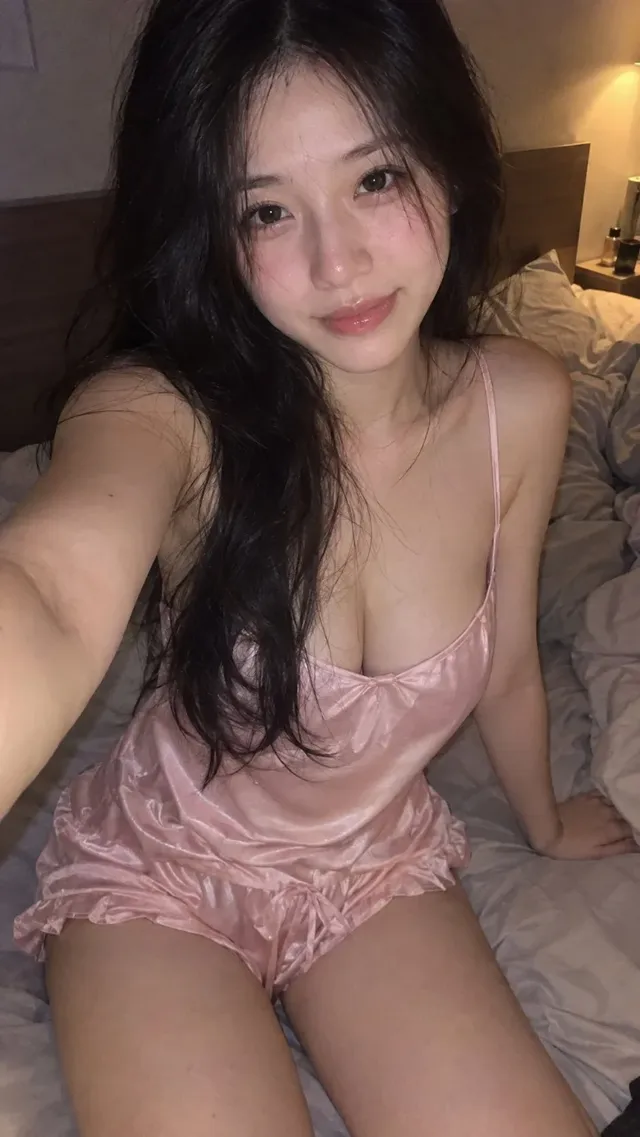
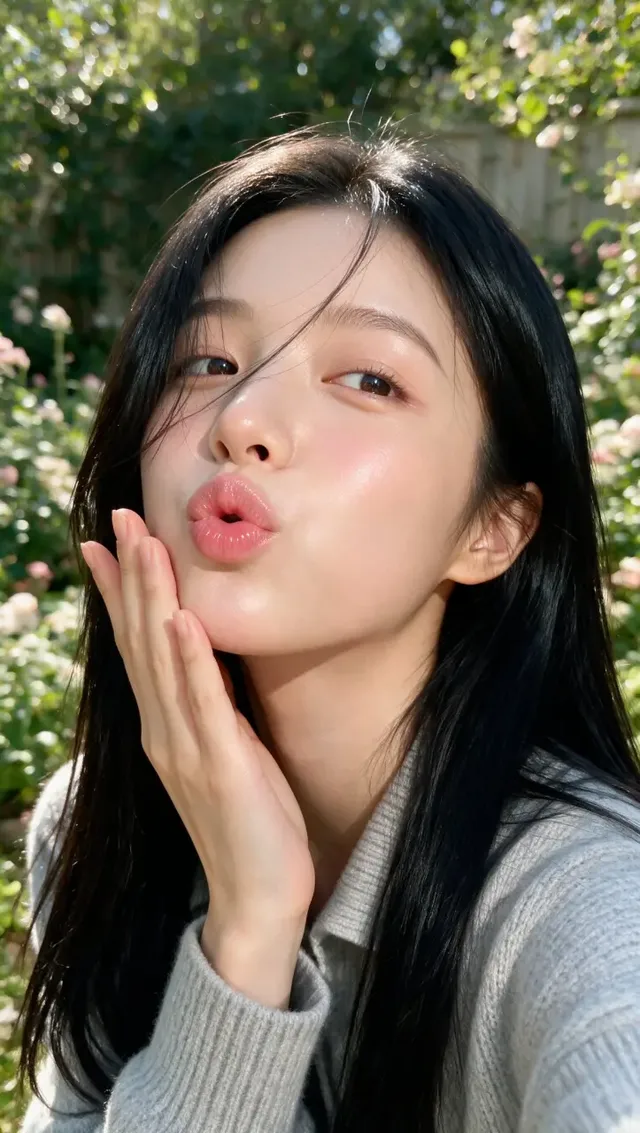
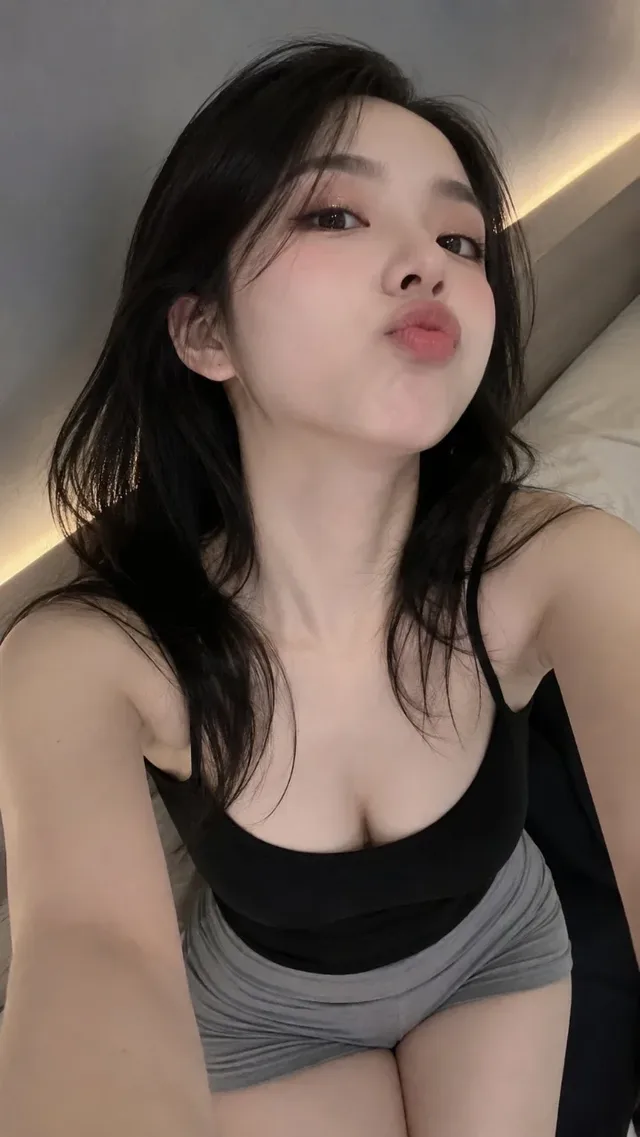
Replace the word "realistic" with the details that make a photo look like one: visible pores, fine flyaway hairs, slight asymmetry, uneven light from a single window, mild sensor noise.

A collage merges into one large portrait instead of separate tiles.

State the layout before the content: "2x2 grid, four separate square panels, thin white gutters", then number the panels and give each one a line of its own.

The avatar is cropped badly by the platform.

Pick the ratio before generating, since changing it recomposes the scene rather than cropping it, and leave margin around the head so a circular mask does not cut into the hair.

Frequently asked questions

What is an AI selfie prompt?

It is a written brief for a picture that looks self-shot: a close subject, an arm’s-length or mirror angle, everyday light, and a described face, outfit and room. Useful ones read as a checklist of verifiable details rather than a mood word, because those details are what you compare the output against.

How do I keep the same face across several AI selfies?

Attach two or three reference photos of the same person from different angles and repeat the fixed traits in the prompt. Nano Banana 2 takes up to 14 reference images per run and the GPT Image 2.5 image-to-image channel takes up to 16. Expect guidance rather than a lock — there is no seed field upstream, so runs still drift.

Can I turn my own photo into an AI profile picture?

Yes — upload it as a reference image and write down which features must not change. If the photo shows someone other than you, you need their consent or the rights to use it before uploading.

Which aspect ratio should I use for a profile picture?

Square 1:1 is the safe default, because most platforms mask a profile picture into a circle. Leave margin around the head so the mask does not clip the hair. Use 4:5 for feed posts and 9:16 for stories or a full-height mirror shot.

Can I use an AI selfie for a passport or ID photo?

No. Identity documents require a genuine photograph of the applicant, taken to the issuing authority’s specification. A generated image does not meet that requirement, however accurate the likeness looks.

Sources