How do I write an anime AI art prompt?
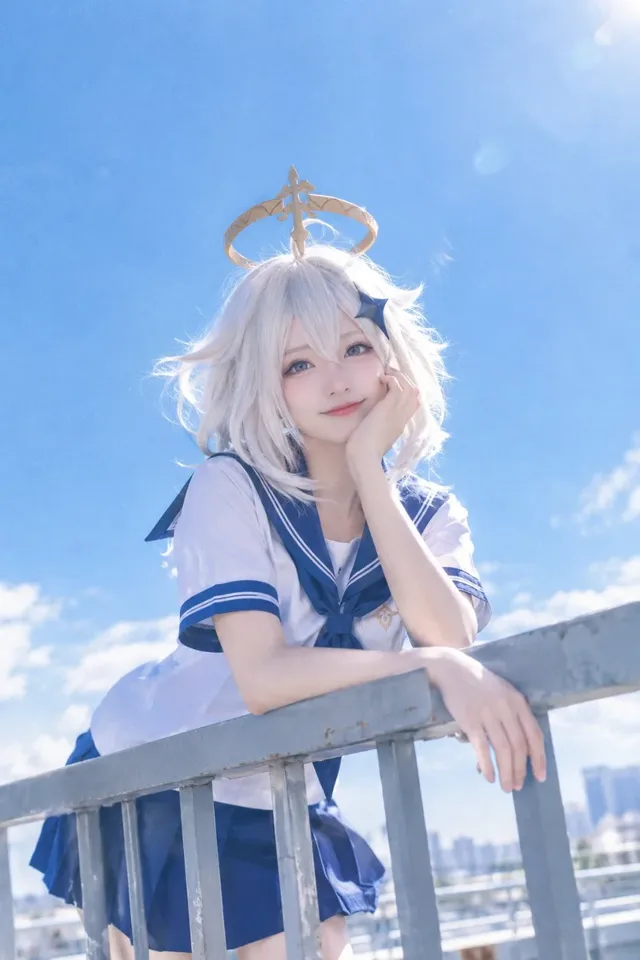
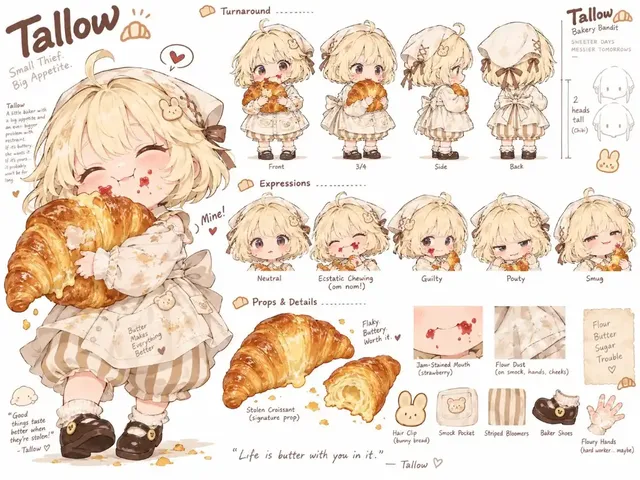
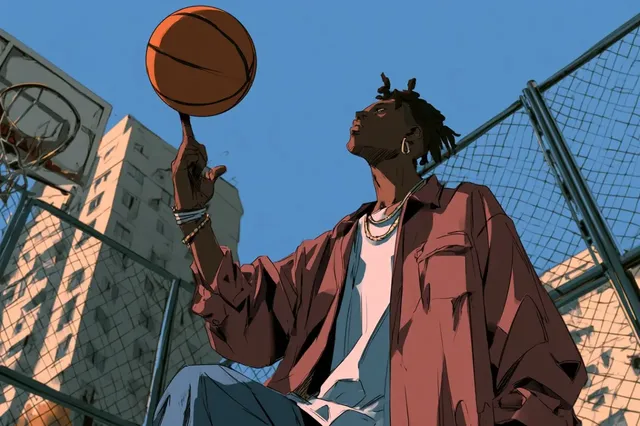
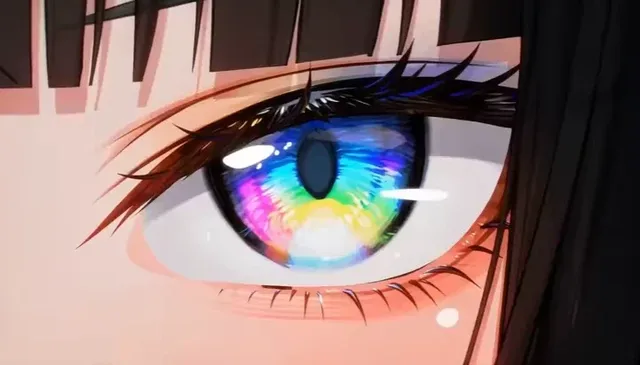
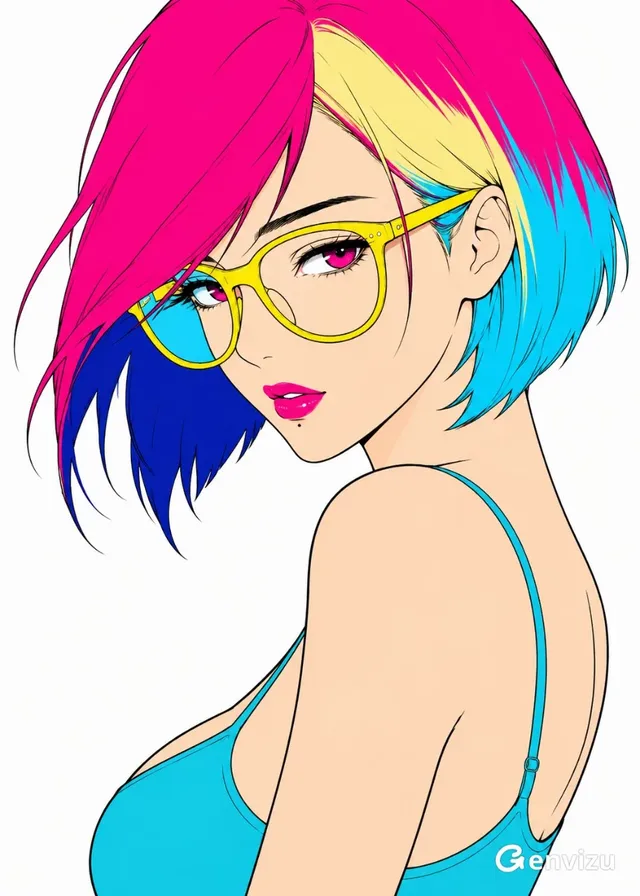
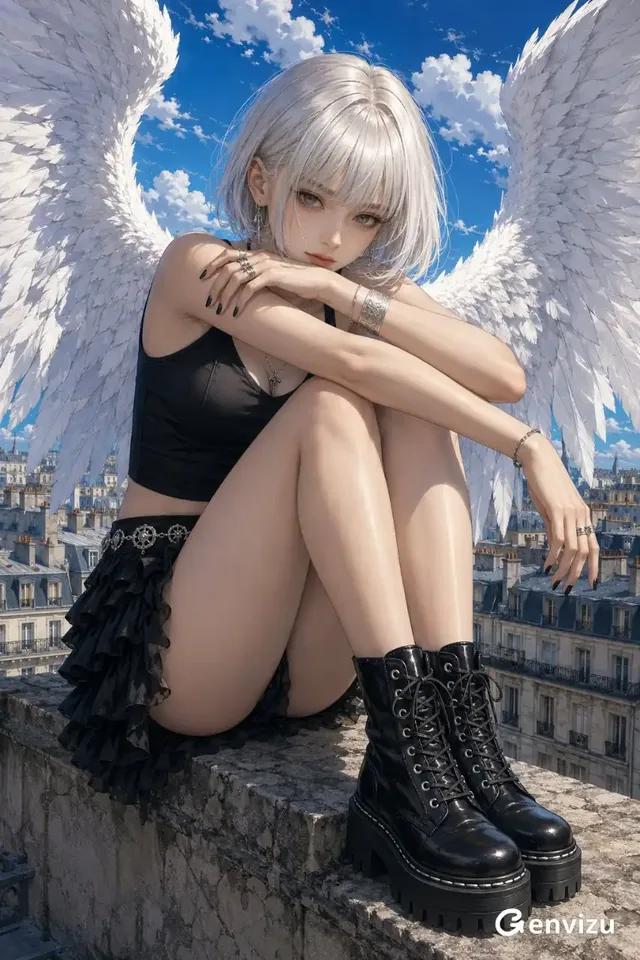
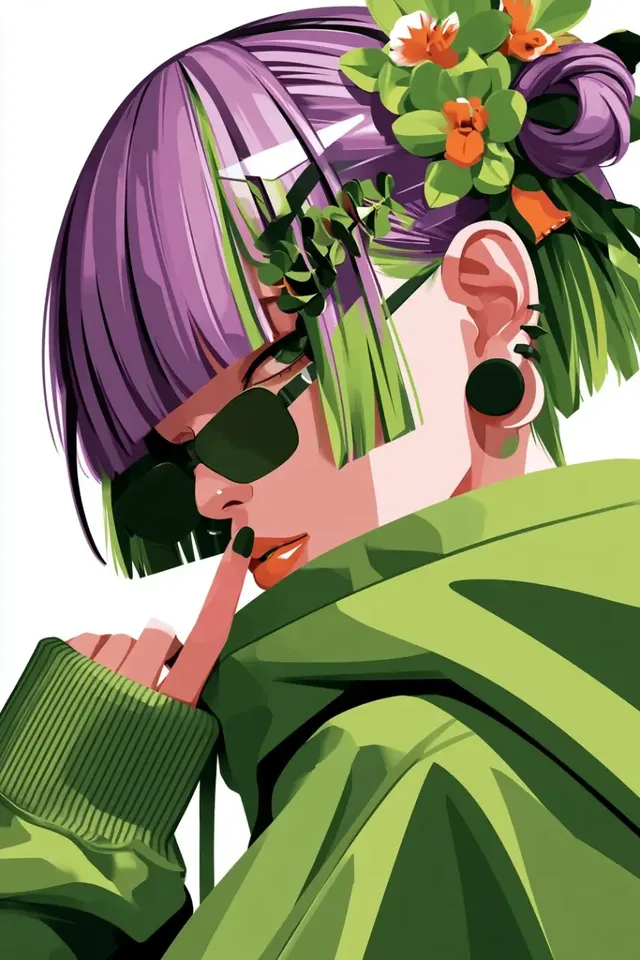
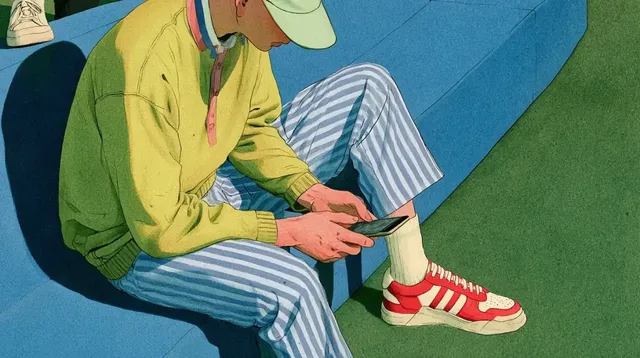
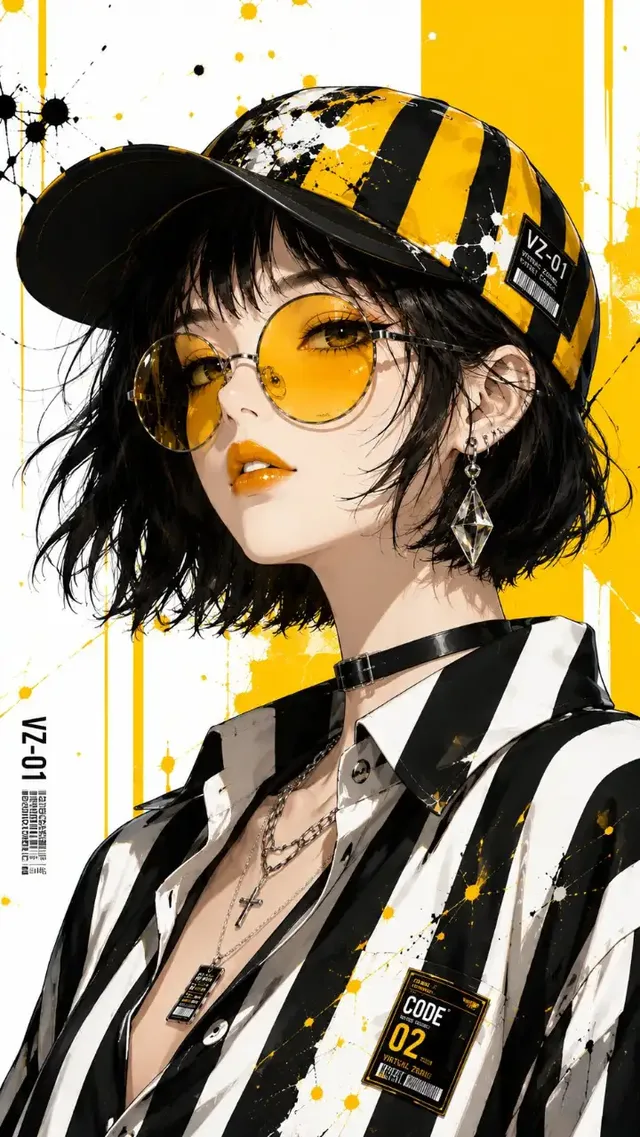
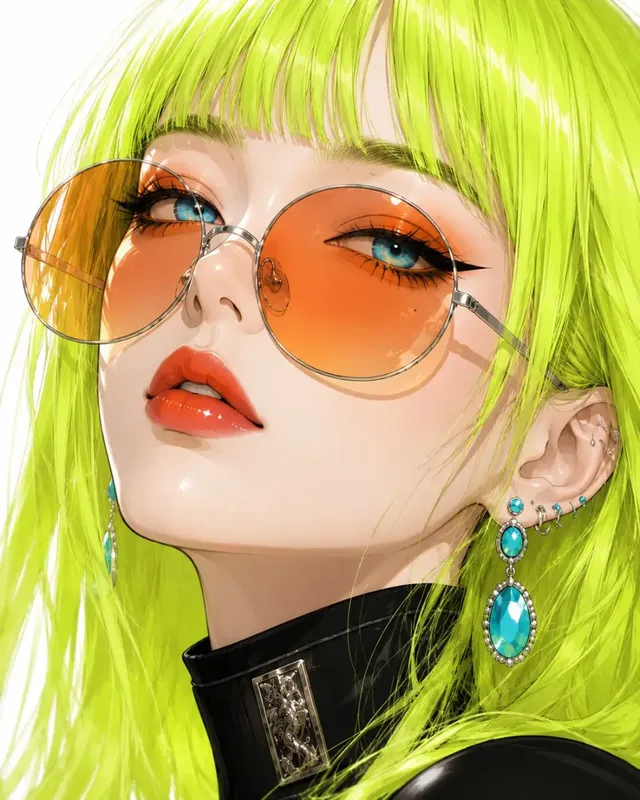
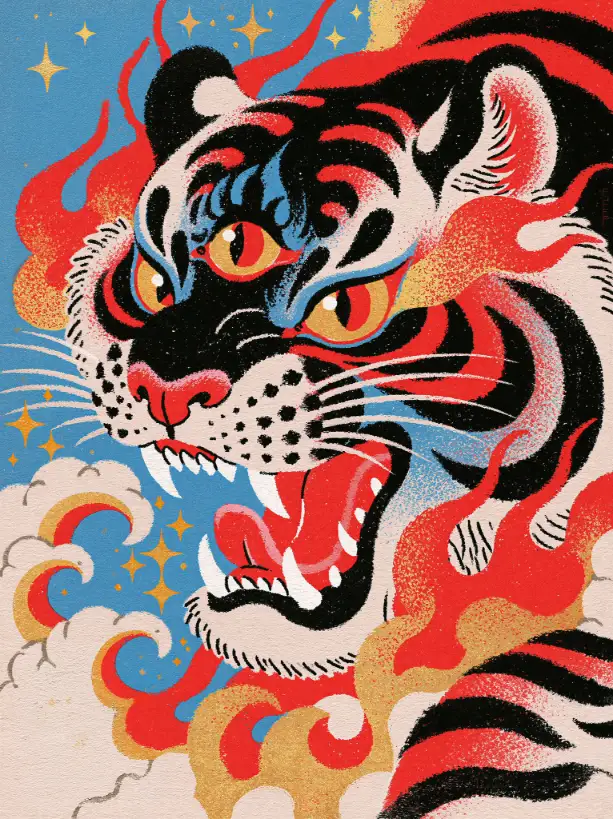
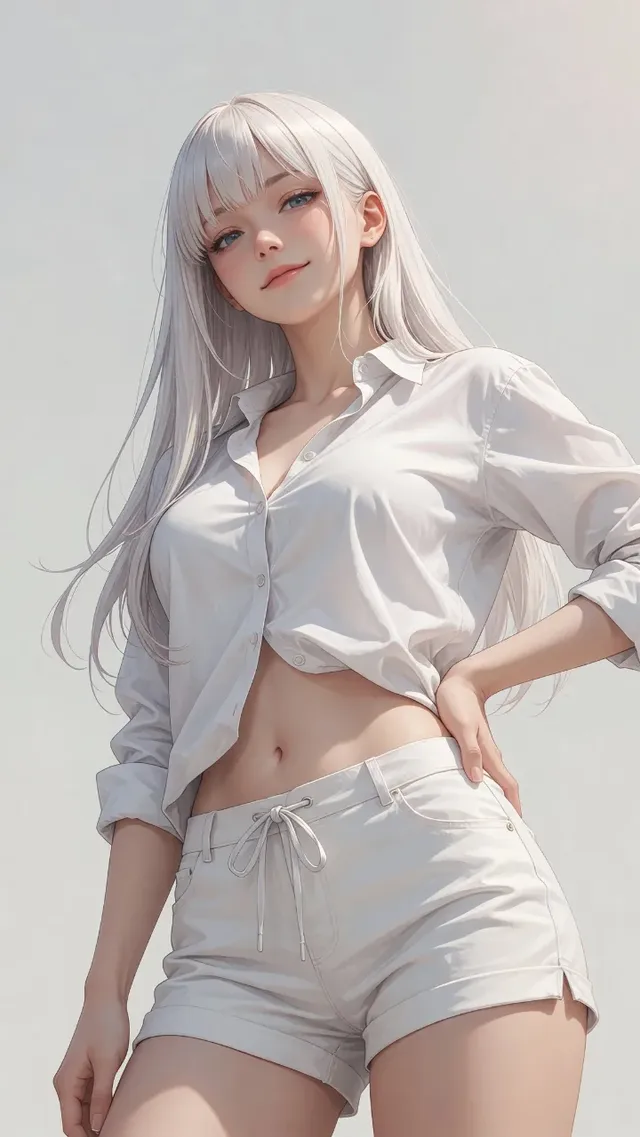
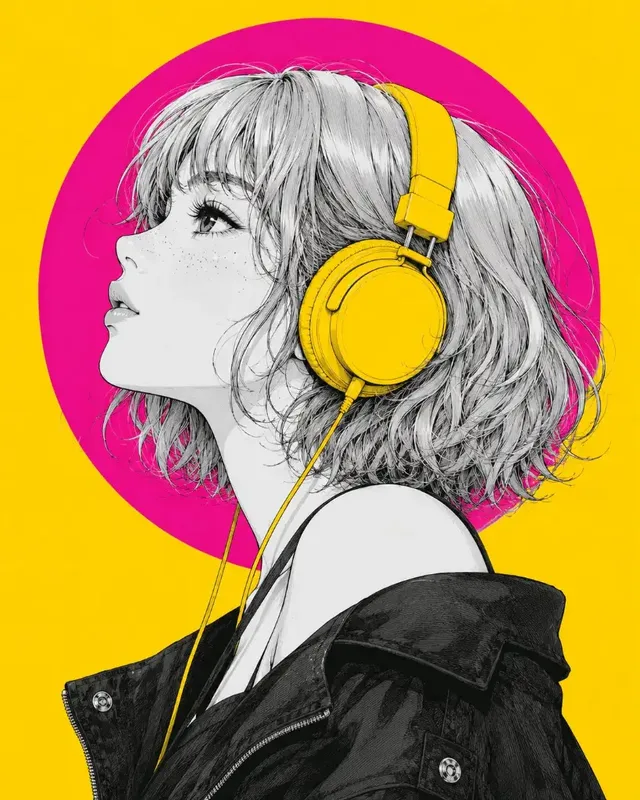
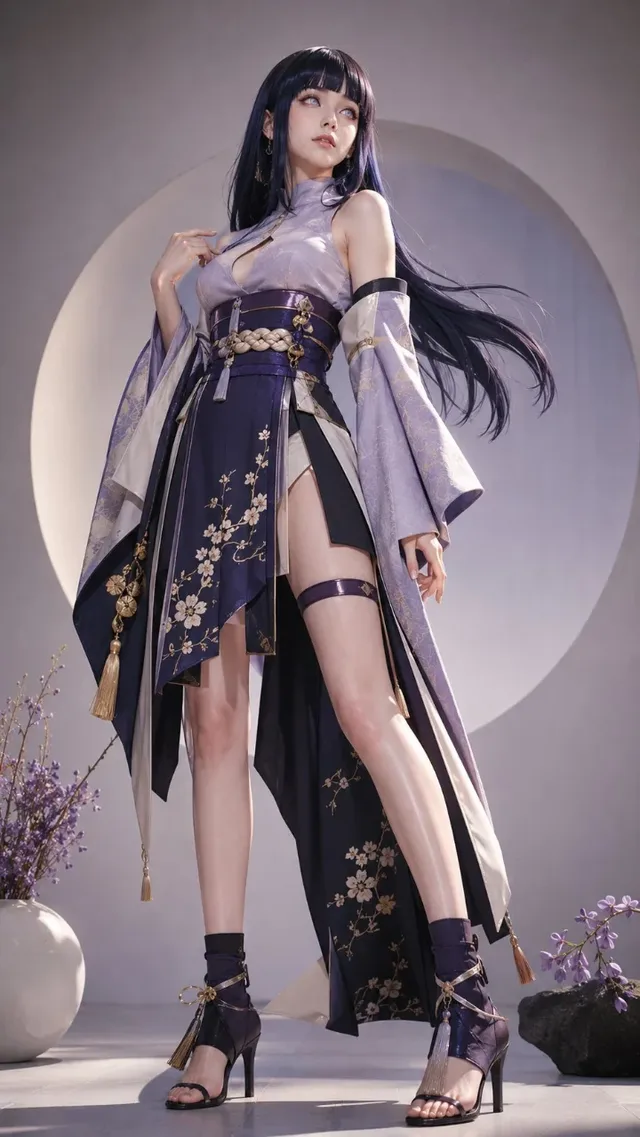
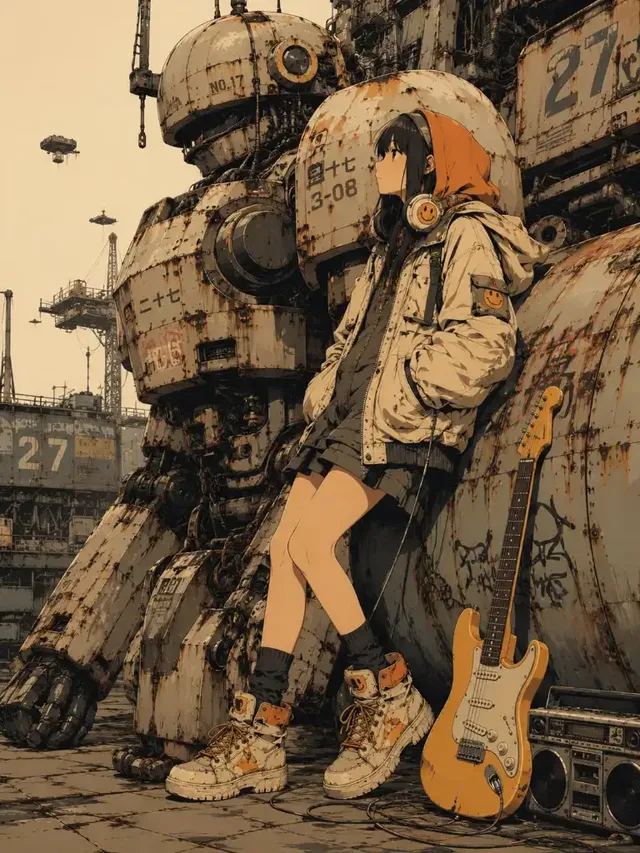
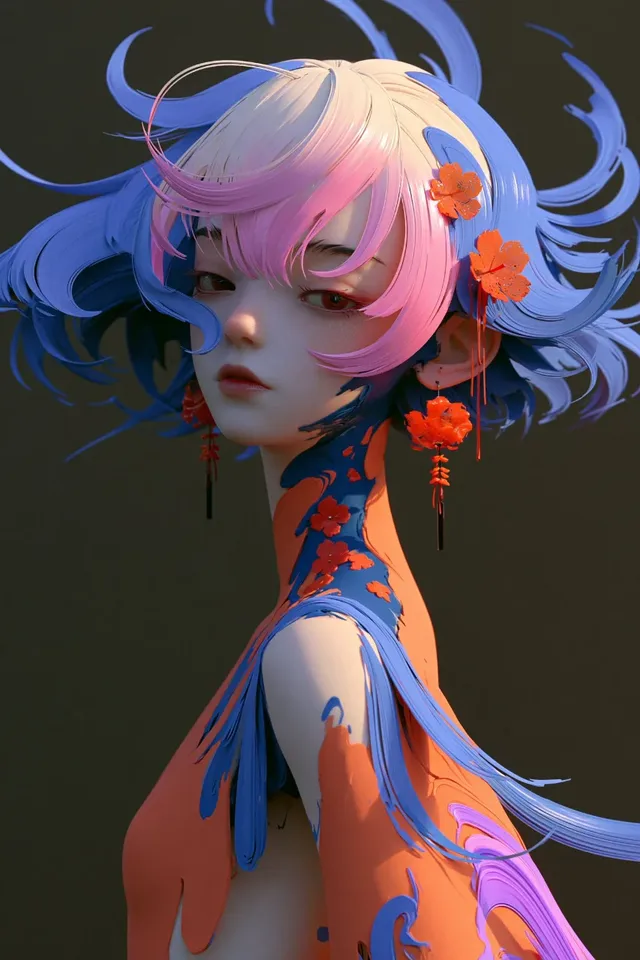
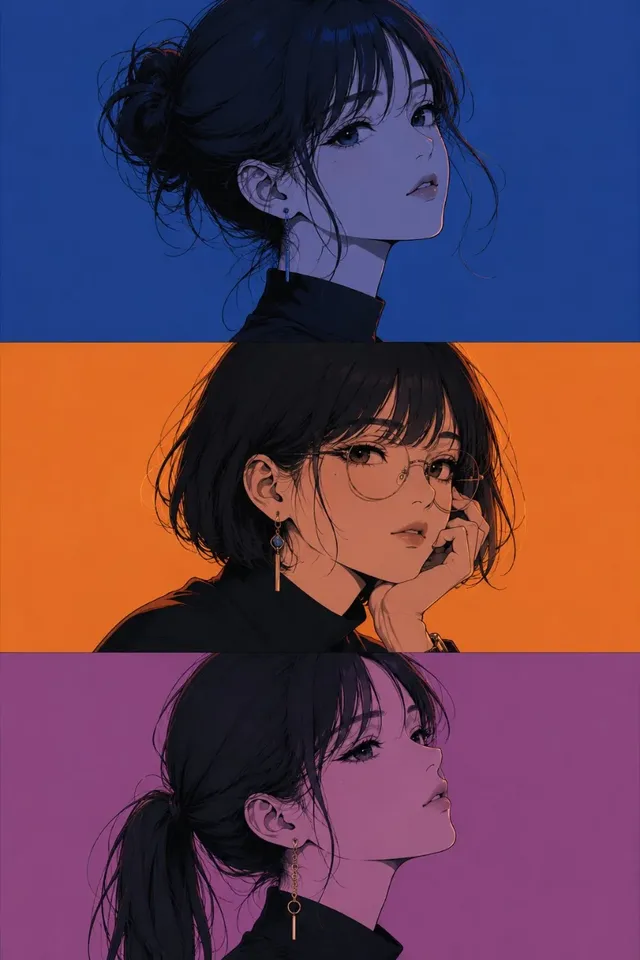
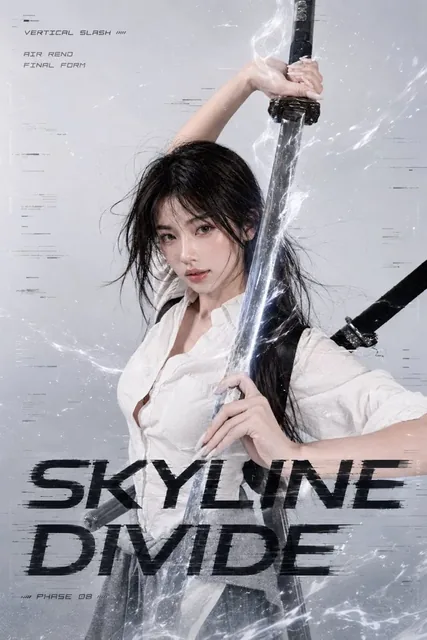
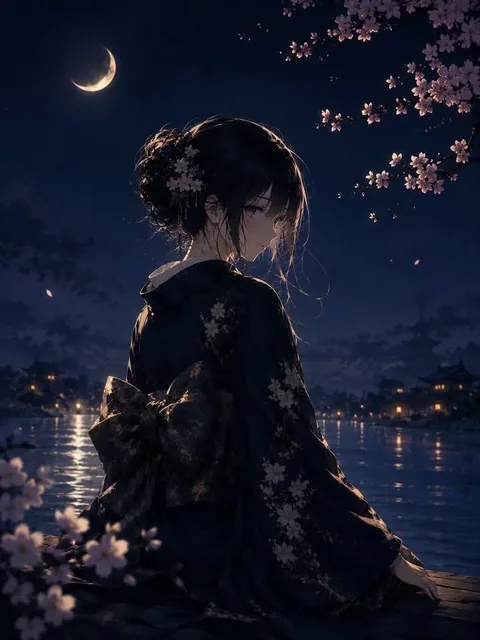
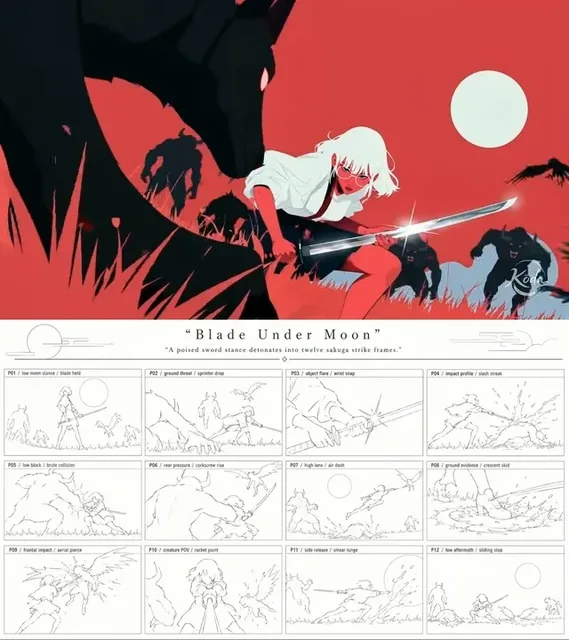
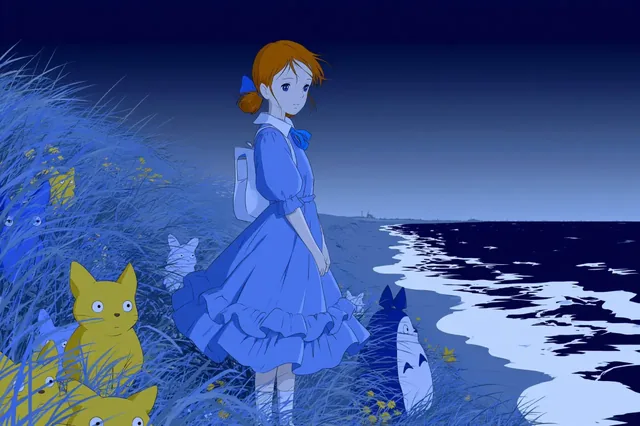
Write three layers in order. First the substyle and rendering, such as semi-realistic illustration or pop-art poster design. Then the character feature by feature: hair colour and length, eye shape and expression, each garment, accessories, pose. Then the frame: ratio, background treatment and how much empty space to leave. Change one layer at a time when you iterate.
Which model should I use for anime-style images?
The practical differences are variants per run, reference caps and prompt budgets. Midjourney 8.1 returns four variants per run, which suits exploring directions, but requires English, caps prompts at 1,024 characters and takes one reference image. GPT Image 2, GPT Image 2.5 and Nano Banana 2 return one image per run, accept far longer prompts and up to 16 or 14 references, which suits holding one character steady across a set.
Can I generate a character from an existing anime?
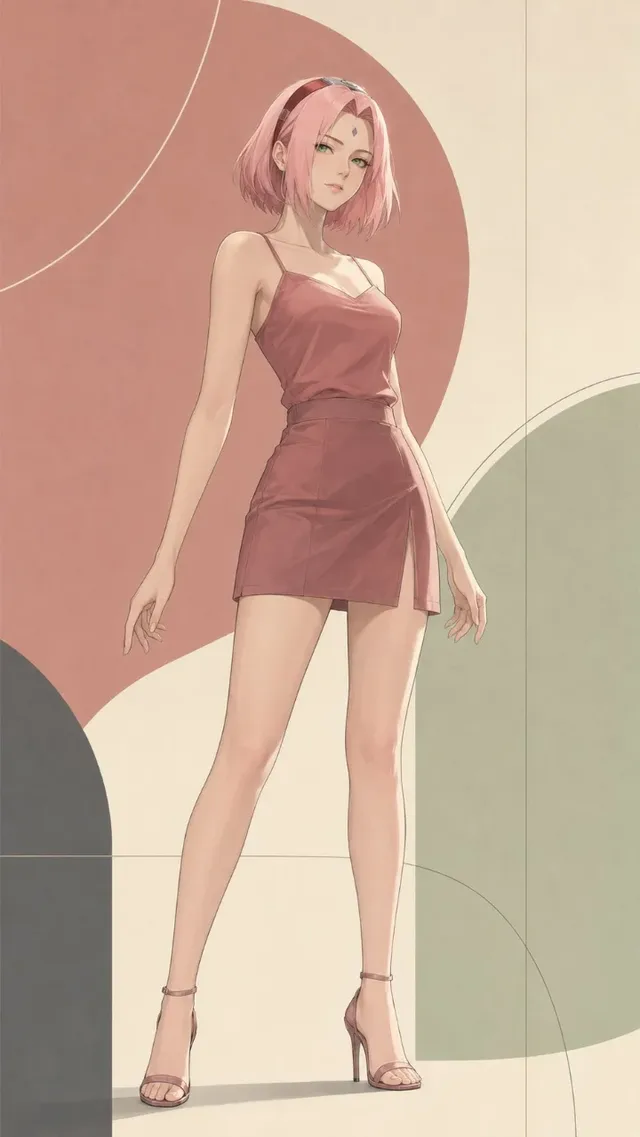
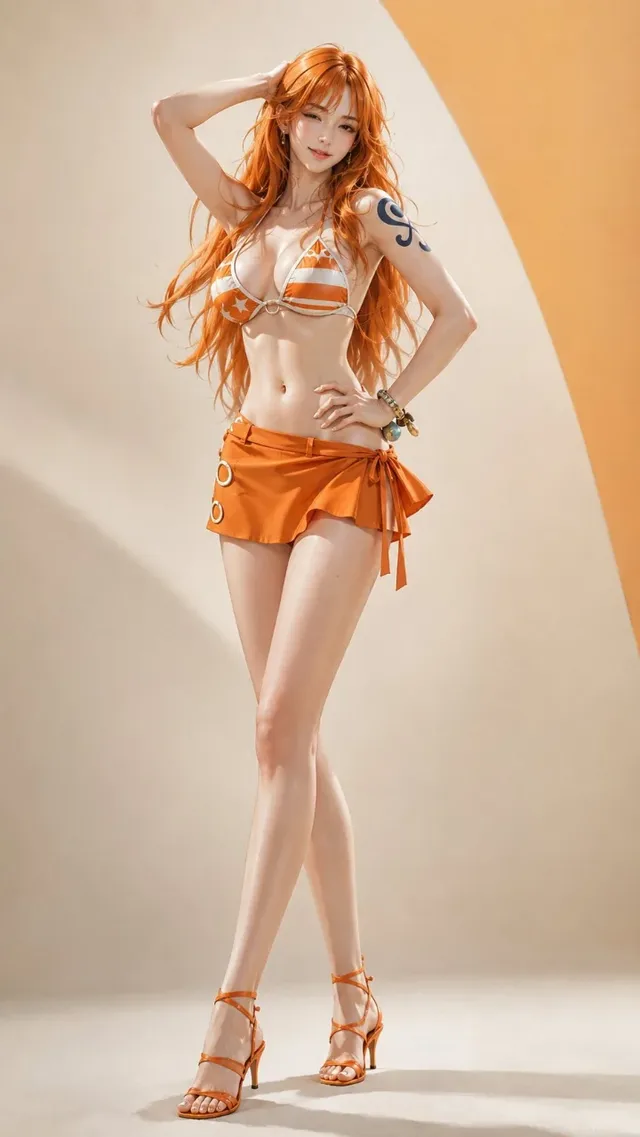
Not safely. Named characters and their costume designs belong to their rights holders, and generated output carries no guarantee that it is free of third-party intellectual-property or trademark rights. Take the traits you like — palette, silhouette, an accessory — and write an original character instead.
What aspect ratio should I use for anime art?
Portrait frames suit character work: 2:3 and 3:4 for illustration, 9:16 for phone-first key visuals. All three are selectable on GPT Image 2, GPT Image 2.5, Nano Banana 2, Midjourney 8.1 and FLUX.2 Klein. Pick the ratio in the panel before generating, since it is a request parameter rather than something read out of the prompt.
Do anime prompts have to be written in English?
No. Midjourney 8.1 is the only image model here that requires English; GPT Image 2, GPT Image 2.5, Nano Banana 2 and FLUX.2 Klein accept Chinese, Japanese and other languages. Style terms are often clearer in their original form — keeping a word such as "chibi" or "shonen" as-is loses less than translating it.