Genvizu

AI creations in Portrait

Browse in the studio →

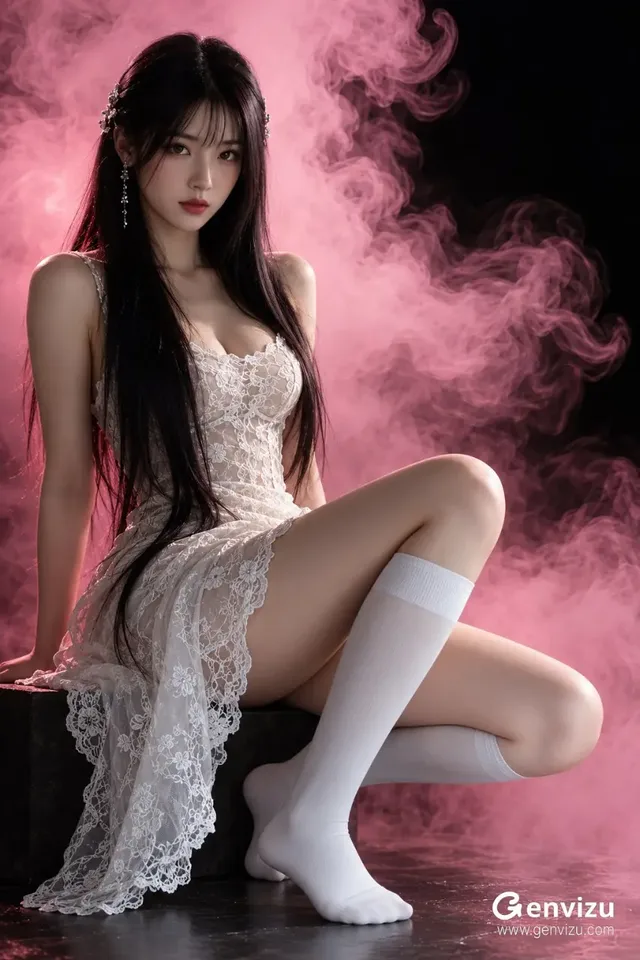
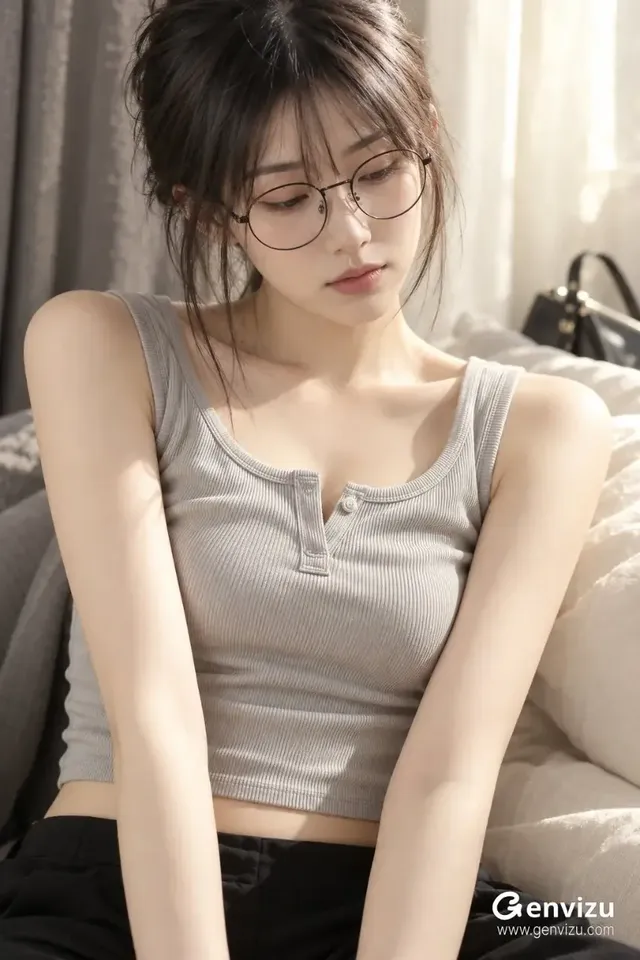
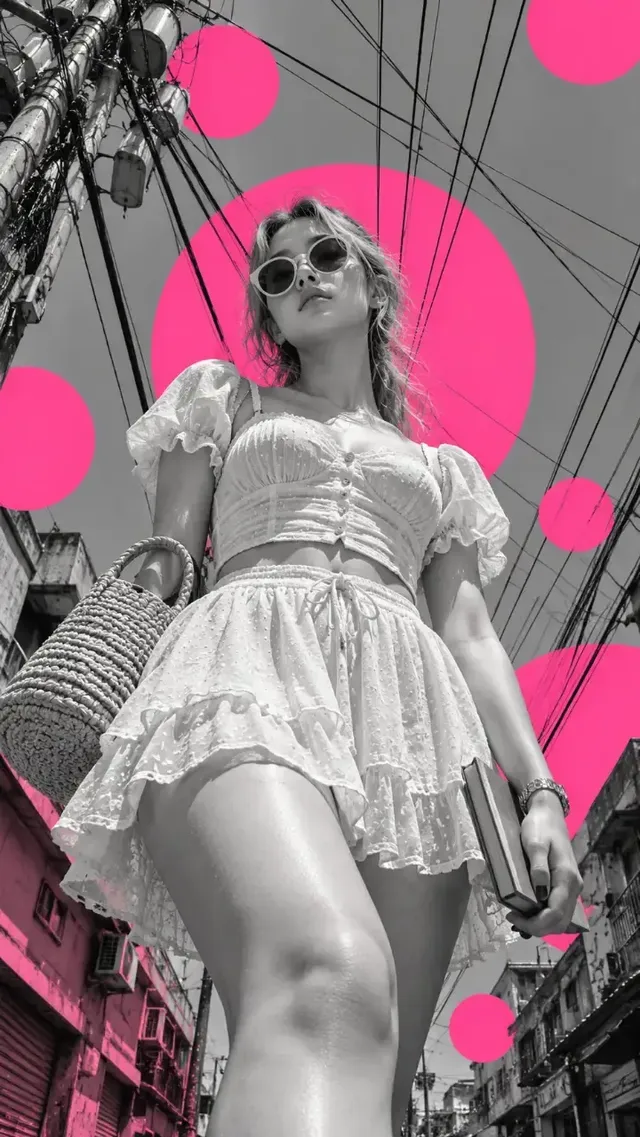
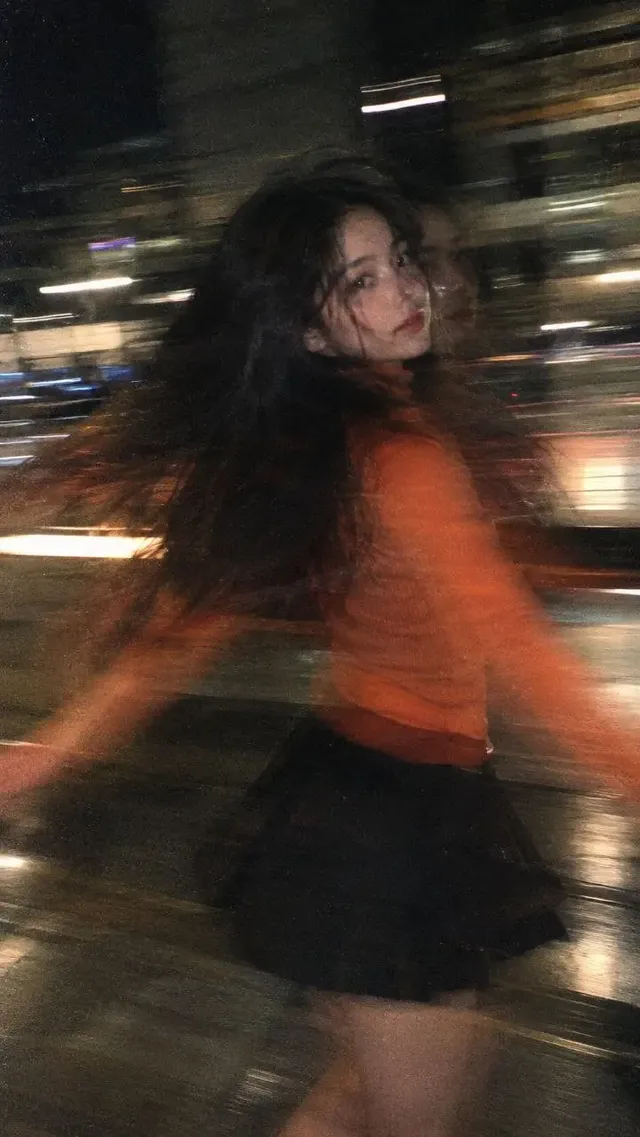
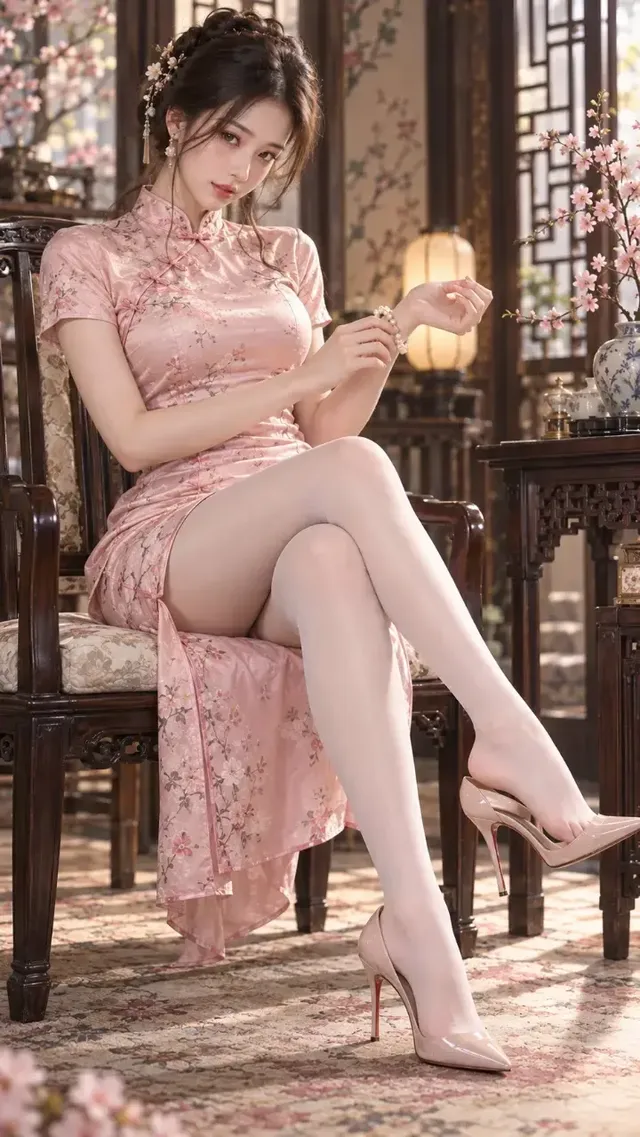
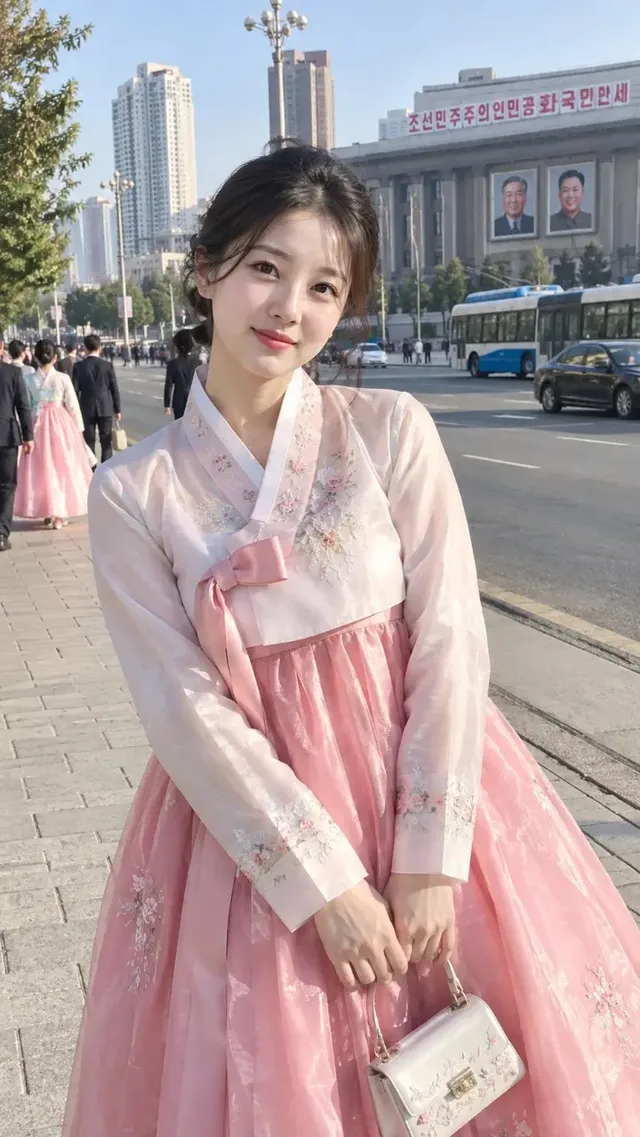
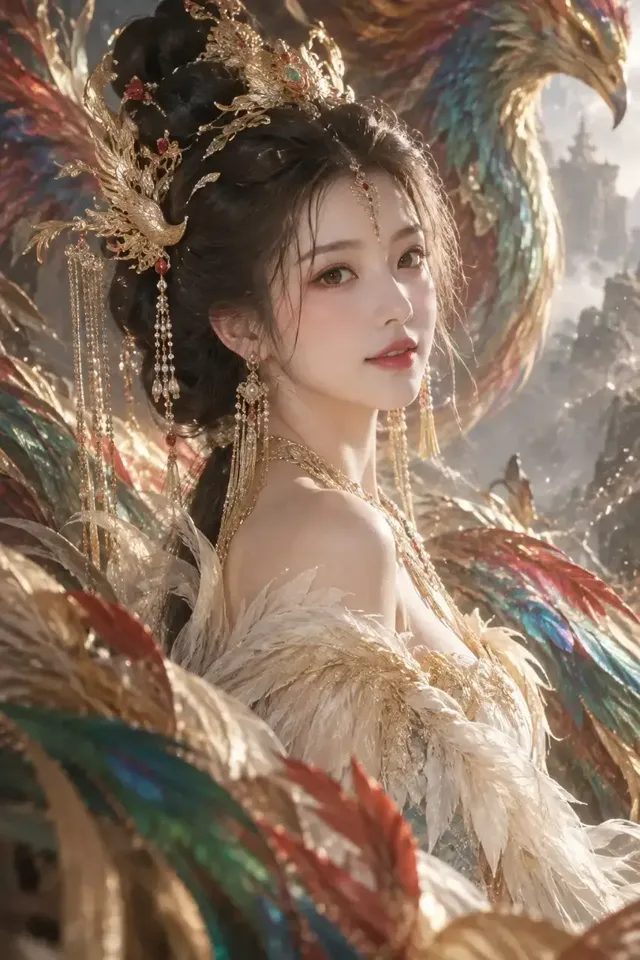
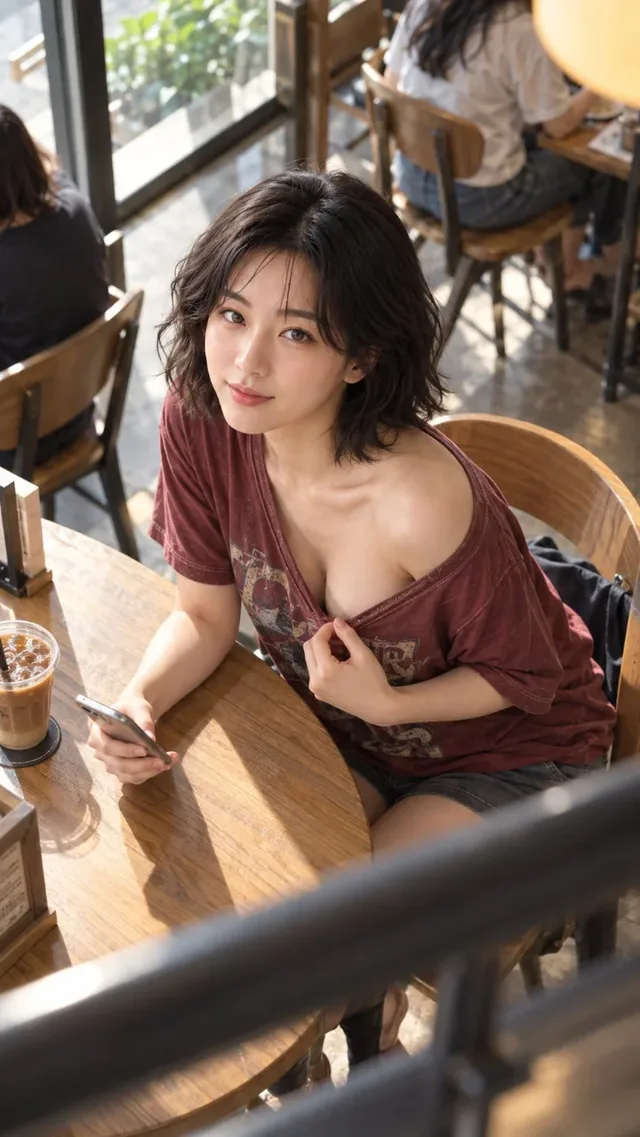
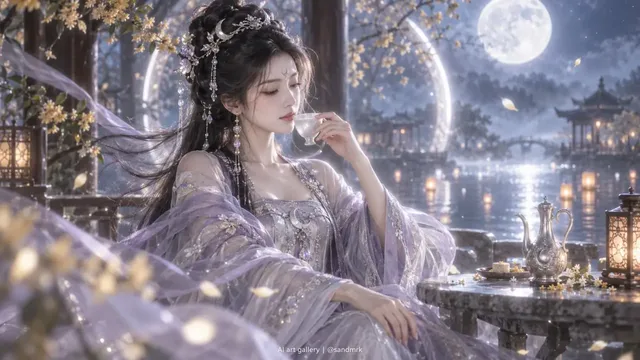
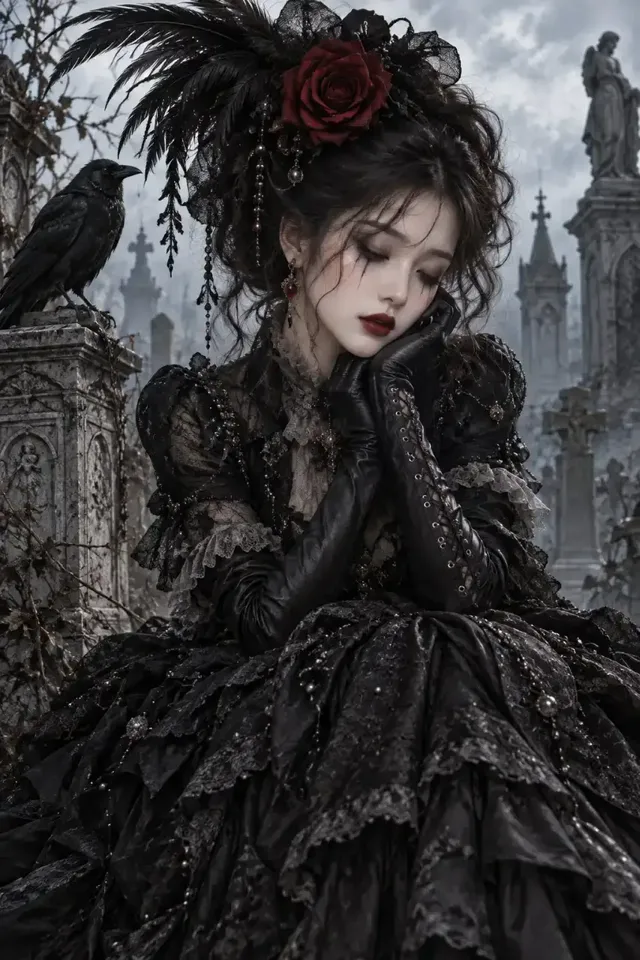
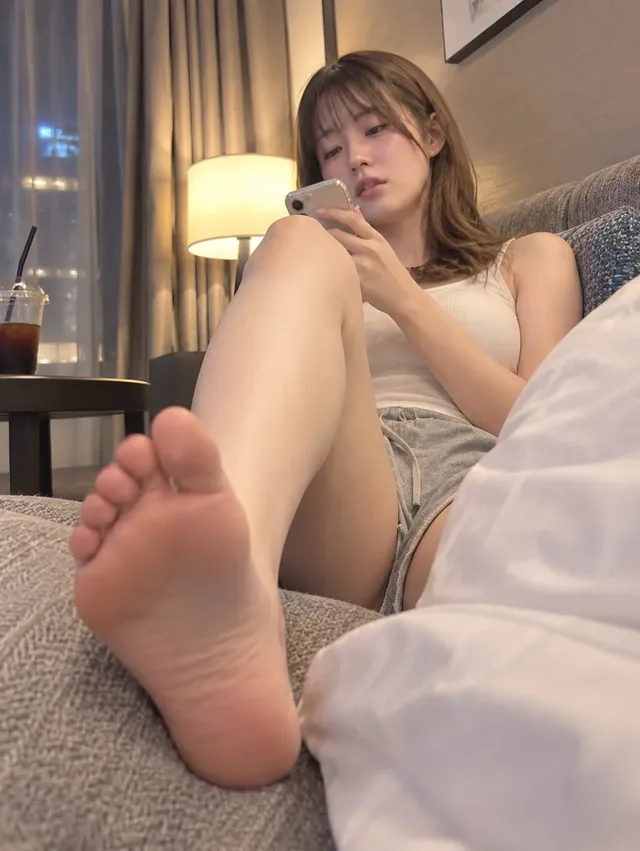
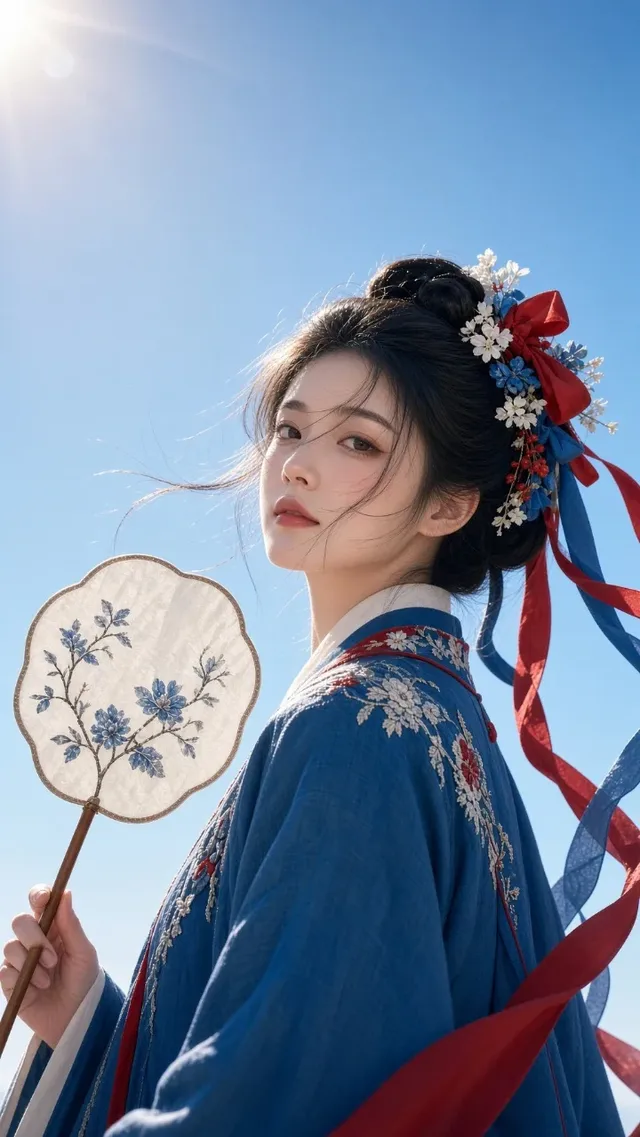
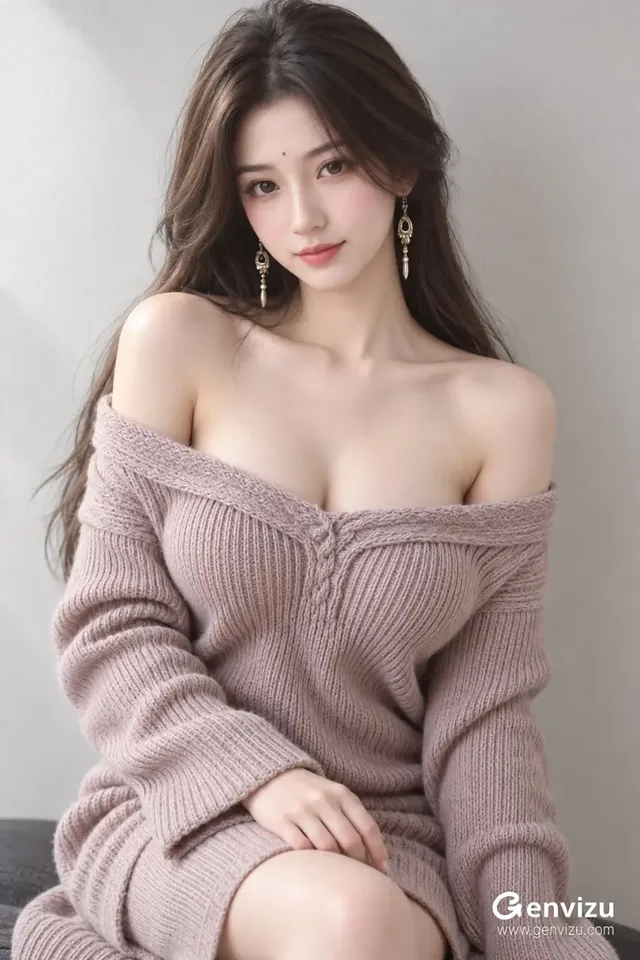
Portrait work on Genvizu covers headshots, character sheets, fashion figures and editorial people photography. The acceptance criteria are identity, skin and hands: the same face across frames, believable texture, correct anatomy. Reference-capable models carry likeness, with Nano Banana 2 taking up to 14 reference images and Seedream 5.0 Pro up to 5. Uploading a photo of a real person requires that you hold the rights or their written consent.

Verified on 2026-09-03

Start free · no credit card

Best for

  • Headshots and profile images with controlled lighting and a defined background.
  • Character sheets: one person, several angles, expressions and outfits, kept consistent across the set.
  • Fashion and apparel figures where the garment, not the face, is the product.
  • Editorial and lifestyle people photography for articles, covers and campaign visuals.
  • Restyling an existing portrait: new lighting, wardrobe or environment on a subject you already have rights to.

Not for

  • Public figures, celebrities or any identifiable person you have no rights to. Deepfakes of real people in a misleading or defamatory context are prohibited.
  • Sexualised content depicting real people or anyone who could read as a minor. This is prohibited regardless of prompt wording.
  • Documentary or evidentiary use. A generated portrait is not a photograph of an event that happened.
  • Identity documents, verification selfies or anything that functions as proof of a real person.

Specifications and limits

FieldValue
Typical inputsTwo to five clear reference photos of the same subject, a wardrobe and lighting description, the target framing
DeliverablesHeadshot, half-body, full-body, character sheet, campaign figure
Acceptance: identityFace reads as the same person across every frame in the set, not merely a similar type
Acceptance: anatomyHands, ears, teeth and eye direction survive at 100% zoom
Acceptance: skinVisible pore and texture variation; no plastic uniform sheen
Acceptance: wardrobeSeams, closures, logos and fabric behaviour match the reference garment
Ratios in use1:1 for avatars, 4:5 for feeds, 2:3 or 3:4 for editorial portraits, 9:16 for vertical video keyframes
RightsYou must be the subject, own the image, or hold written consent from every identifiable person you upload

Prompt examples

Studio headshot from references

Prompt

Studio headshot of the person in the reference images. Keep the same face, hairline and skin tone.
Framing: chest up, eye level, subject facing camera with a slight turn to the left.
Light: large soft key from the front left at 45 degrees, subtle rim light on the right shoulder, seamless mid-grey background.
Wardrobe: plain charcoal crew-neck.
Natural skin texture with visible pores, neutral expression, sharp focus on the near eye. 4:5

Ask explicitly for skin texture, otherwise the default output tends towards a retouched plastic finish. Naming the focus point fixes the most common softness complaint.
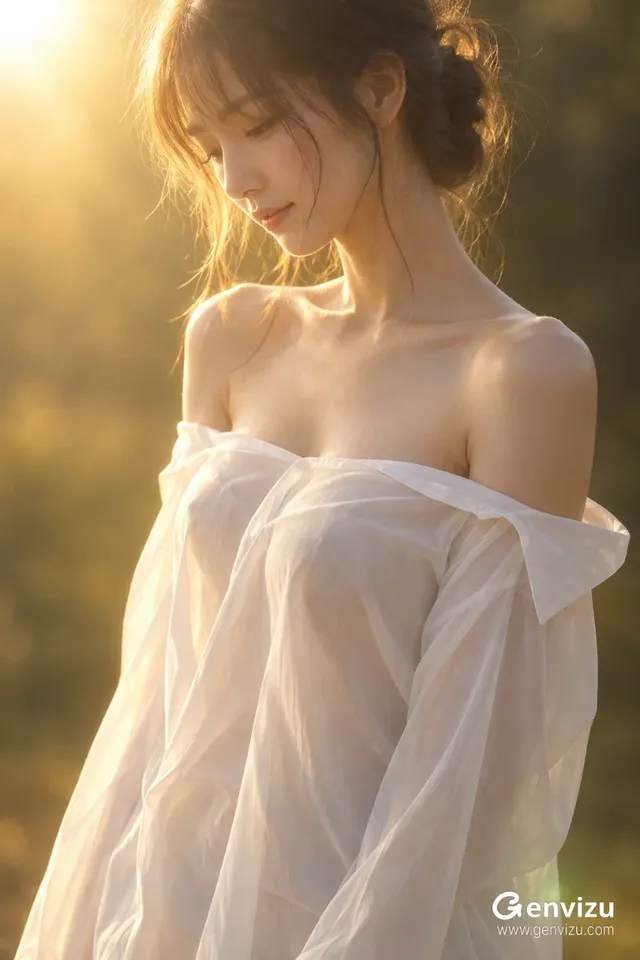
Character sheet kept consistent

Prompt

Character reference sheet of the person in the reference images, same face and hair in every panel.
Four panels on a neutral background: front view, three-quarter view, profile, and back view.
Consistent wardrobe: [garment description], same colours and same footwear in all four.
Even diffuse lighting, no dramatic shadows, full body visible in each panel, consistent height and proportions. 16:9

Consistency is a stated requirement, not a side effect. Repeating "same face" and "same wardrobe" per panel is what keeps the set usable.

Apparel figure where the garment is the product

Prompt

Full-body fashion photograph of a model wearing the garment from the reference image.
Keep the garment unchanged: same cut, same seams, same colour, same logo placement.
Studio setting, off-white cyclorama, soft frontal light with a gentle falloff to the sides.
Relaxed standing pose, arms at the sides, garment not obscured by hands or hair.
2:3, editorial fashion photography, no added text.

When the garment is the deliverable, protect it in words the way you would protect a product, and forbid anything that could cover it.

How it compares

Nano Banana 2

The default for likeness work: up to 14 reference images at 10 / 15 / 23 credits for 1K / 2K / 4K. Give it several angles and expressions of the same subject.

Seedream 5.0 Pro

Up to 5 reference images at 12 credits for 1K and 20 for 2K, a cheaper route when three or four references are enough.

GPT Image 2

Up to 16 references in the image-to-image channel, plus 4K delivery and no English requirement, from 8 credits per image.

Midjourney 8.2

Strongest default aesthetic for editorial figures and four images per run, but it takes a single reference image and a style reference does not lock identity.

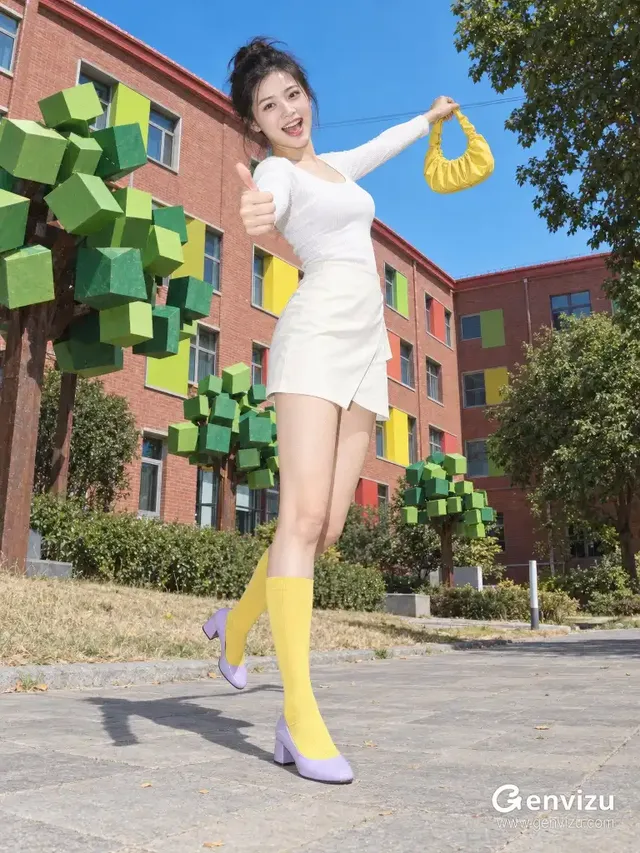
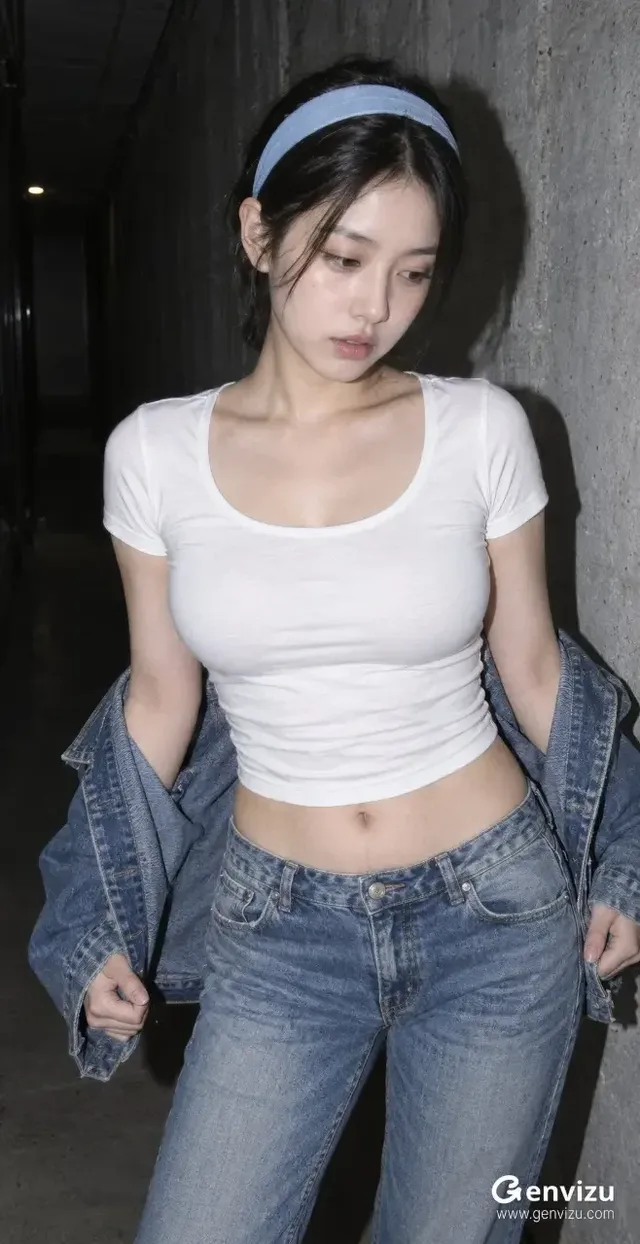
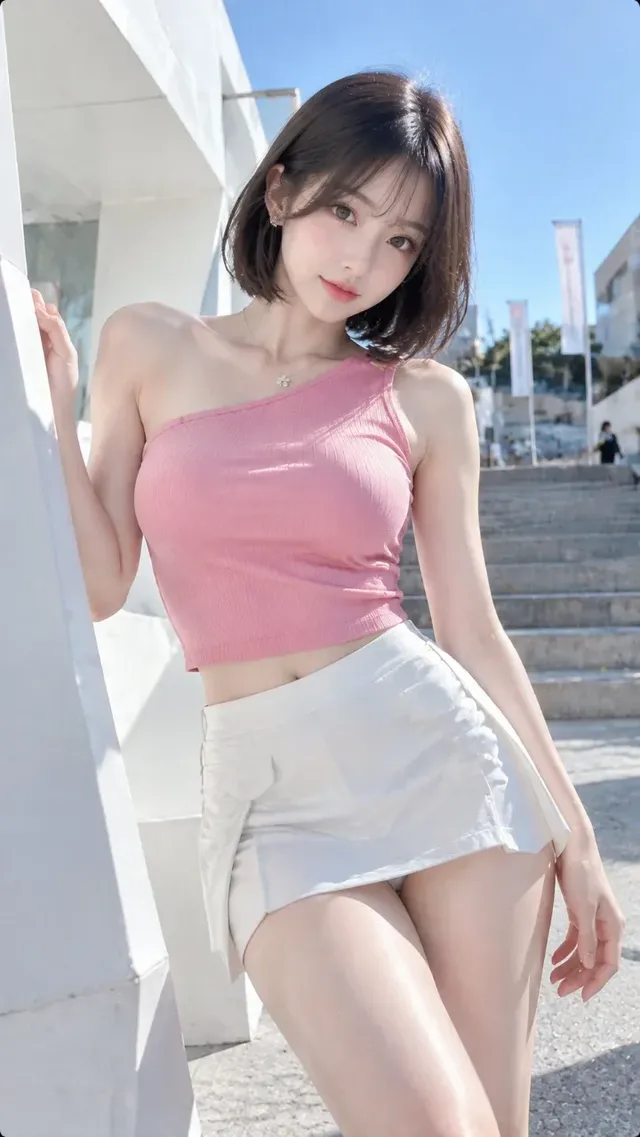
Examples from the gallery

Common failures and fixes

The face drifts between frames in a set.

Use a model that accepts several references, feed it multiple angles of the same subject, and restate "same face" in each panel description. Style references transfer look, never identity.

Hands, ears or teeth fall apart at full zoom.

Check at 100% before accepting. Reframing tighter, changing the pose so hands are relaxed and visible, or regenerating the same prompt usually fixes it faster than adding negative wording.

Skin looks plastic and over-retouched.

Ask for pore-level texture and describe the light source rather than the beauty result. Requests for flawless or perfect skin push the model towards the plastic default.

The garment is redesigned along with the scene.

Keep the garment instruction in its own sentence, list cut, seams, colour and logo placement as unchanged, and describe the environment separately.

You are unsure whether a reference photo may be uploaded.

Upload only if you are the subject, own the image, or hold written consent from every identifiable person in it. Public figures and third-party photos without consent are out of scope, and you carry the legal responsibility for provenance.

Frequently asked questions

Which model keeps a face consistent across several images?

A reference-capable model with room for several angles: Nano Banana 2 accepts up to 14 reference images, GPT Image 2 up to 16 in its image-to-image channel, and Seedream 5.0 Pro up to 5. Consistency also has to be restated in the prompt for each frame.

Can I generate portraits of a real person?

Only if you are the subject, own the image, or hold explicit written consent from every identifiable person you upload. Deepfakes of real people in a misleading or defamatory context, sexualised depictions of real people or minors, and impersonation are prohibited.

Why does the skin look artificial?

Because the prompt asked for a result rather than a light. Describe the key light, its size and direction, ask for visible pores and natural texture, and drop words like flawless or perfect.

Does a Midjourney style reference lock a face?

No. A style reference transfers palette, texture and visual language, not identity. State identity, quantity and composition in the text, and use a reference-capable model when likeness is the deliverable.

Sources